Do you know you need treatment for sleep apnea, but struggle with the idea of wearing a CPAP mask every night? Continuous positive airway pressure therapy is an important treatment for obstructive sleep apnea, but it is not the only approach that may be considered for every patient. For appropriately diagnosed patients, a custom CPAP alternative using oral appliance therapy may offer a compact and comfortable way to support an open airway during sleep.
At Kulick Dental in Seven Hills, OH, oral appliance therapy is designed around each patient’s teeth, bite, jaw, and sleep-related needs. Instead of using a mask, tubing, and powered airflow, a custom oral appliance fits inside the mouth and gently positions the lower jaw forward. This can help prevent the soft tissues surrounding the airway from collapsing during sleep. However, sleep apnea is a medical condition, so proper diagnosis and coordinated care are essential before beginning treatment.
What Is Obstructive Sleep Apnea?
Obstructive sleep apnea occurs when the airway repeatedly becomes narrowed or blocked during sleep. As the muscles of the throat relax, soft tissues can move into the airway and interfere with normal breathing. When airflow becomes restricted, the body may briefly wake itself enough to restore breathing.
These interruptions can occur repeatedly throughout the night, even when the person does not remember waking up. As a result, someone may spend many hours in bed yet still wake feeling tired or unrefreshed.
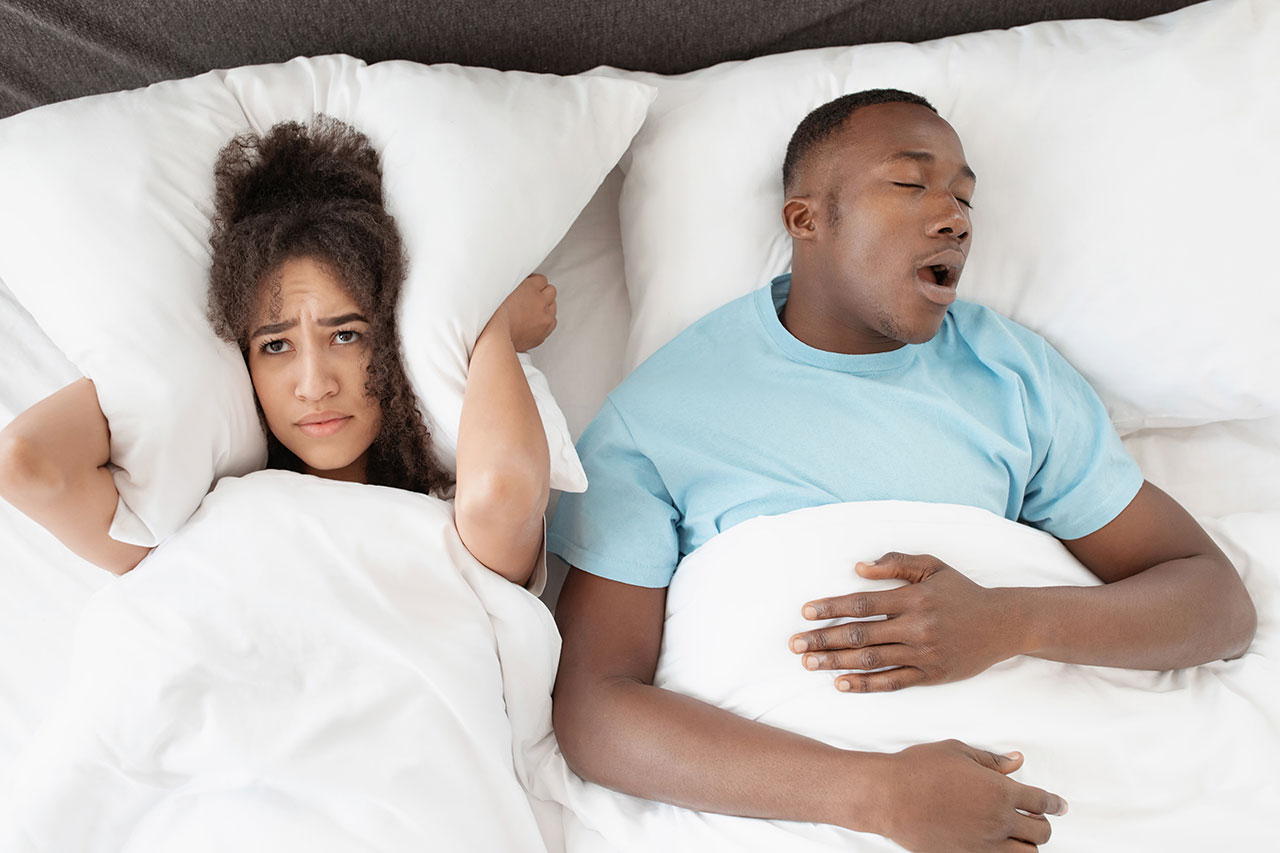
Sleep apnea is different from occasional snoring. Snoring is a sound created by vibrating tissues as air moves through a narrowed airway. Although snoring can occur without sleep apnea, loud and persistent snoring can also be one sign that further evaluation is appropriate.
Common Signs That Sleep Apnea May Be Present
Sleep apnea does not always look the same from one patient to another. In fact, a bed partner may notice symptoms before the person experiencing them does.
Common concerns can include loud snoring, witnessed pauses in breathing, gasping during sleep, frequent awakenings, dry mouth in the morning, morning headaches, and feeling tired despite spending enough time in bed. Some people also notice difficulty concentrating or increased daytime sleepiness.
However, symptoms alone cannot confirm obstructive sleep apnea. Other sleep and medical conditions can produce similar concerns. Therefore, patients who suspect sleep apnea should receive an appropriate sleep evaluation and formal diagnosis.
Why Do Some Patients Look for a CPAP Alternative?
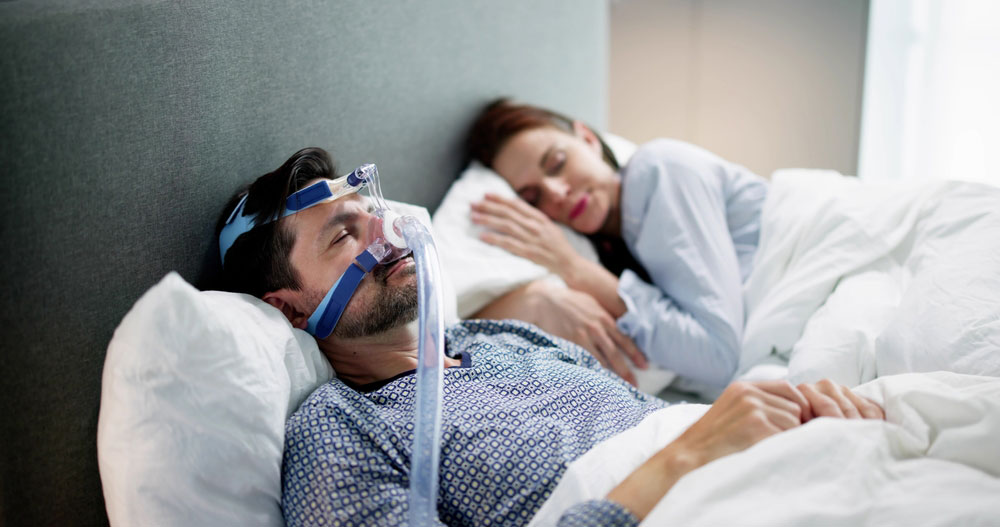
CPAP therapy uses a machine to deliver pressurized air through a mask while the patient sleeps. For many people, CPAP is highly effective when it is used consistently. However, some patients find regular use difficult.
A patient may dislike the feeling of a mask against the face, struggle with tubing, experience dryness, or find the machine inconvenient while traveling. Others simply have difficulty keeping the mask on throughout the night.
When a prescribed treatment is difficult to use consistently, discussing the problem with the patient’s healthcare team is important. Depending on the diagnosis and severity of the condition, oral appliance therapy may be one option worth considering.
What Is Oral Appliance Therapy?
Oral appliance therapy uses a custom dental device that is worn while sleeping. The appliance generally fits over the teeth and positions the lower jaw slightly forward.
Moving the jaw forward can also move connected soft tissues and the tongue into a position that provides more space for airflow. Therefore, the appliance is designed to reduce the tendency of the airway to narrow or collapse during sleep.
The device does not force air into the airway. Instead, it works mechanically by changing jaw position. This makes oral appliance therapy very different from CPAP, even though both treatments may be used to address obstructive sleep apnea in appropriately selected patients.
Who May Be a Candidate for an Oral Appliance?
Oral appliance therapy is often considered for certain patients with mild to moderate obstructive sleep apnea. It may also be considered for some patients who cannot tolerate CPAP therapy, depending on their medical diagnosis and recommendations from their sleep healthcare provider.
Dental health matters as well. Because the appliance fits over the teeth and applies controlled forces, the dentist needs to evaluate the condition of the teeth, gums, existing restorations, jaw joints, and bite.
Patients with extensive tooth loss, active gum disease, unstable teeth, significant jaw joint concerns, or certain bite conditions may need additional evaluation. Fortunately, this does not necessarily mean treatment is impossible. Instead, the design and overall treatment plan may need to be modified.
Why Is a Sleep Study Important?
A sleep study provides information that symptoms alone cannot. It can measure breathing interruptions and other physiological changes during sleep, helping a qualified healthcare provider determine whether obstructive sleep apnea is present and how significant it is.
This information matters because different levels of sleep apnea may require different treatment strategies. A dental appliance should not be used as a substitute for appropriate medical diagnosis.
If you have not yet completed a sleep study, Kulick Dental can discuss the process and help you understand why formal evaluation is important before a sleep apnea appliance is fabricated.
How Is a Custom Sleep Apnea Appliance Made?
The process begins with a consultation. The dental team reviews your health history, sleep apnea diagnosis, symptoms, previous treatment experiences, and concerns about CPAP or other therapies.
Next, the dentist examines your teeth, gums, bite, and jaw. Digital scans or impressions can then create an accurate model of your mouth. These records allow the appliance to be designed specifically for your anatomy rather than relying on a generic fit.
After the appliance is fabricated, you return for fitting. The dental team checks how it seats over the teeth, how the jaw is positioned, and whether the appliance feels stable.
Adjustments may be made gradually. The goal is to find a position that supports airway management while maintaining reasonable jaw comfort.
Benefits of Oral Appliance Therapy for Sleep Apnea
- Compact design: An oral appliance fits inside the mouth and does not require a bedside machine.
- No mask: Patients who struggle with facial masks may prefer an appliance that fits over the teeth.
- No tubing: The treatment does not require air hoses or tubing during sleep.
- Quiet operation: An oral appliance does not have a motor running beside the bed.
- Travel-friendly: Its small size can make it convenient for vacations, work trips, and overnight travel.
- Customized fit: Professional appliances are fabricated according to the patient’s teeth, bite, and jaw.
- Non-surgical approach: Oral appliance therapy does not require airway surgery.
- Potential improvement in snoring: Supporting a more open airway may also reduce snoring in appropriately selected patients.
Is an Oral Appliance the Same as a Night Guard?
No. Although the two devices may look somewhat similar, they are designed for different purposes.
A night guard is generally used to protect teeth from grinding and clenching. A sleep apnea oral appliance is specifically designed to alter lower jaw position in order to support the airway.
Using an ordinary night guard does not provide the same treatment as a properly designed sleep apnea appliance. Likewise, over-the-counter mouthpieces may not account for your bite, dental health, jaw joints, or medical diagnosis.
For that reason, patients should avoid assuming that any mouthpiece marketed for snoring is appropriate for diagnosed obstructive sleep apnea.
What Does Sleeping With an Oral Appliance Feel Like?
There is usually an adjustment period. At first, patients may notice increased saliva, temporary dry mouth, mild tooth pressure, or jaw awareness. These sensations often become less noticeable as the patient becomes accustomed to the appliance.
Some patients may also notice temporary stiffness in the jaw after waking. Your dental team can provide exercises or instructions intended to help the bite and jaw return to their normal daytime position.
Persistent discomfort should not simply be ignored. A custom appliance can often be adjusted, and regular follow-up appointments allow the dental team to monitor comfort and function.
Why Follow-Up Care Matters
Receiving the appliance is not the end of treatment. Follow-up is an important part of oral appliance therapy because jaw position, dental contacts, comfort, and appliance condition can change over time.
The dentist may gradually adjust the device based on symptoms and tolerance. Meanwhile, follow-up sleep testing may be recommended by the appropriate healthcare provider to determine whether treatment is effectively managing the diagnosed sleep apnea.
Dental visits also allow the team to check for tooth movement, bite changes, gum irritation, appliance wear, or jaw joint symptoms.
If your appliance becomes loose, damaged, uncomfortable, or no longer seems effective, contact the dental office rather than trying to alter it yourself.
How Do You Clean a Sleep Apnea Oral Appliance?
Daily cleaning helps keep the appliance fresh and protects oral health. Follow the specific instructions provided for your device because materials can vary.
Generally, the appliance should be rinsed after use and cleaned with an appropriate product. Hot water should usually be avoided because excessive heat may distort certain dental materials.
Brush and floss your natural teeth before inserting the appliance at night. Placing a device over teeth covered with plaque and food debris can trap bacteria against the tooth surfaces for several hours.
When the appliance is not being worn, store it in its protective case as instructed. Keeping it away from pets is also wise because dogs in particular can quickly damage dental appliances.
Can Oral Appliance Therapy Help With Snoring?
Many people with obstructive sleep apnea also snore. Because an oral appliance can help maintain airway space, snoring may improve for some patients.
However, snoring should not automatically be treated as a harmless sound. If it is loud, frequent, or accompanied by gasping, breathing pauses, or significant daytime fatigue, evaluation for sleep apnea is important.
Treating the sound without determining whether a medical sleep disorder is present can leave the underlying problem unaddressed.
Frequently Asked Questions About CPAP Alternatives
Do I need a sleep study before getting an oral appliance?
A formal diagnosis is important before oral appliance therapy is used to treat obstructive sleep apnea. Sleep testing helps determine whether sleep apnea is present and provides information needed for appropriate treatment planning.
Can an oral appliance replace CPAP for everyone?
No. The best treatment depends on the type and severity of sleep apnea, medical factors, dental health, and recommendations from the patient’s healthcare providers. CPAP remains an important treatment, particularly in situations where an oral appliance is not appropriate.
How long does a sleep apnea oral appliance last?
Longevity varies according to the appliance, nighttime grinding, care, dental changes, and frequency of use. Regular dental checks help determine when repair, adjustment, or replacement may be needed.
Can I travel with an oral appliance?
Yes. One reason some patients appreciate oral appliance therapy is its compact size. The appliance can be stored in a protective case and does not require a powered machine.
Will an oral appliance stop snoring?
It may reduce snoring in appropriately selected patients, but results vary. Snoring can have multiple causes, so a complete evaluation is important.
Explore a Comfortable Approach to Better Sleep
Living with diagnosed sleep apnea does not mean you should abandon treatment because one approach feels difficult. If CPAP use has been challenging, a conversation about professionally supervised oral appliance therapy can help you understand whether another option is appropriate for your condition.
Call Kulick Dental in Seven Hills, OH, at (216) 236-6300 to schedule a consultation. Our team can evaluate your dental health, discuss your sleep apnea diagnosis, and explain whether a custom oral appliance may be an appropriate CPAP alternative for you.