Having a tooth removed can bring relief when the tooth has been causing pain or infection, but it is natural to have questions about what happens afterward. How long will your mouth feel tender? When can you eat normally? What should you avoid during the first few days? Understanding tooth extraction recovery can help you prepare and recognize what is normal during healing.
At Kulick Dental in Seven Hills, OH, preserving natural teeth is an important priority. However, when a tooth cannot be repaired predictably, extraction may be necessary to protect your oral health. Through comprehensive emergency dentistry and restorative care, patients can receive an evaluation, treatment recommendations, and guidance for managing recovery.
Why Might a Tooth Need to Be Extracted?
Tooth extraction may be recommended when a tooth has extensive decay, a severe fracture, advanced periodontal disease, or another condition that makes successful restoration unlikely.
In some situations, a tooth may have an infection that cannot be managed predictably with root canal therapy and restoration. A deeply fractured root may also prevent the tooth from being saved.
However, not every painful tooth needs to be removed. Fillings, crowns, root canal therapy, and other restorative treatments may be appropriate depending on the diagnosis.
Before extraction, the dentist evaluates the tooth and explains why removal is being considered. Understanding the reason for treatment can make the decision easier.
What Happens During a Tooth Extraction?
The process begins with an examination and, when needed, dental imaging. The dentist evaluates the tooth, surrounding bone, roots, and nearby structures.
Local anesthesia is typically used to numb the treatment area. Patients may feel pressure during the procedure, but sharp pain should be reported immediately.
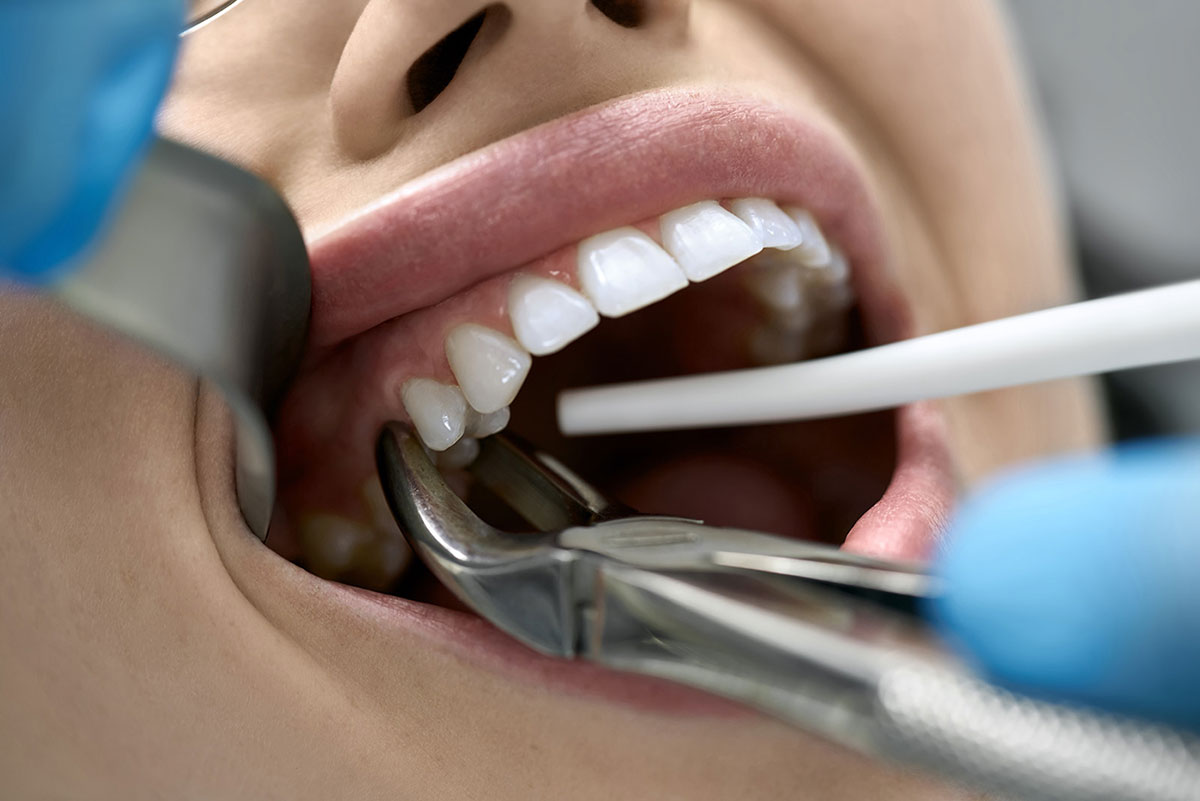
For a simple extraction, the dentist gently loosens and removes the tooth. More complicated situations may require a surgical approach, especially when the tooth is broken or difficult to access.
Once the tooth is removed, the dentist examines the socket and provides instructions for controlling bleeding and protecting the area.
The specific procedure and recovery recommendations depend on the location of the tooth and the complexity of the extraction.
What Happens During the First 24 Hours?
The first day is especially important because the body begins forming a blood clot inside the extraction socket.
This clot helps protect the underlying bone and nerves while the early healing process begins. Therefore, avoiding activities that disturb the clot is one of the most important parts of tooth extraction recovery.
Patients are usually instructed to bite gently on gauze for a period after the procedure. Some oozing is normal, but persistent heavy bleeding should be reported.
Rest is also important. Strenuous exercise and heavy physical activity may increase bleeding or discomfort during the early recovery period.
Follow your dentist’s specific instructions regarding medications, rinsing, eating, and activity. These directions may differ depending on the procedure.
How Long Does Tooth Extraction Recovery Take?
Recovery varies according to the tooth removed, the condition of the surrounding tissues, whether surgery was required, and the patient’s overall health.
Many patients notice that tenderness and swelling begin improving within several days. However, the gum tissue and underlying bone continue healing for a longer period.
A straightforward extraction may feel more comfortable relatively quickly, while a surgical extraction may involve additional swelling and a longer recovery.
Smoking, certain medical conditions, medications, and infection can also influence healing.
Rather than comparing your recovery with someone else’s, follow the instructions provided for your procedure and contact the office if symptoms do not improve as expected.
What Can You Eat After a Tooth Extraction?
Soft foods are generally easiest during the early recovery period. Choose foods that require minimal chewing and are not excessively hot.
Examples may include yogurt, scrambled eggs, mashed potatoes, soft pasta, oatmeal that has cooled, applesauce, and smooth soups served at a comfortable temperature.
Chew away from the extraction site when possible. Avoid foods that are very hard, crunchy, sharp, sticky, or difficult to manage.
Small food particles can sometimes collect near the healing area, so follow the dental team’s instructions for cleaning and rinsing.
As comfort improves, you can gradually return to a wider variety of foods. However, avoid rushing back to foods that place significant pressure on the extraction site.
Why Should You Avoid Straws After an Extraction?
Using a straw creates suction inside the mouth. During the early healing period, strong suction may disturb the protective blood clot in the extraction socket.
For this reason, dentists commonly recommend avoiding straws for a period after extraction.
Vigorous spitting and forceful rinsing may create similar concerns. Instead, follow the instructions provided for gentle rinsing once it is appropriate.
The goal is to protect the clot while allowing the surrounding tissues to begin healing normally.
What Is Dry Socket?
Dry socket is a painful complication that can occur when the blood clot is lost or breaks down before the extraction site has healed sufficiently.
Without the protective clot, underlying bone and sensitive tissues may become exposed. Patients may experience significant pain that develops or worsens several days after extraction.
The discomfort may radiate toward the ear, temple, or jaw. An unpleasant taste or odor may also occur.
Dry socket requires professional evaluation. Treatment may involve gently cleaning the area and placing a medicated dressing to improve comfort.
If pain becomes significantly worse after initially improving, contact the dental office rather than assuming the symptoms are part of normal healing.
Benefits of Proper Tooth Extraction Recovery Care
- Protects the blood clot: Following instructions helps preserve the clot that supports early healing.
- Reduces avoidable discomfort: Appropriate rest, food choices, and medication use can make recovery more manageable.
- Supports tissue healing: Gentle care allows the gums and surrounding tissues to recover without unnecessary irritation.
- Helps reduce complications: Avoiding smoking, suction, and forceful rinsing may lower certain recovery risks.
- Supports oral hygiene: Following cleaning instructions helps manage bacteria without disturbing the surgical site.
- Encourages appropriate nutrition: Choosing suitable foods helps patients continue eating while protecting the healing area.
- Improves symptom awareness: Understanding expected healing makes it easier to recognize concerning changes.
- Prepares for future restoration: Healthy healing creates a foundation for discussing replacement options when needed.
How Should You Brush Your Teeth After an Extraction?
Maintaining oral hygiene remains important, but the extraction site requires special care.
Patients can generally continue cleaning unaffected areas of the mouth while following instructions about the surgical site.
Avoid aggressively brushing directly over the socket during the early healing period. When gentle rinsing is permitted, use the method recommended by your dentist.
Keeping the rest of the mouth clean helps limit plaque buildup and supports overall oral health.
If you are unsure how to clean near the extraction area, contact the office for guidance rather than avoiding oral hygiene entirely.
Can You Smoke After a Tooth Extraction?
Smoking and nicotine use can interfere with blood flow and tissue healing. Smoking also creates suction and exposes the healing area to heat and irritating substances.
Consequently, tobacco use can increase the risk of delayed healing and certain complications, including dry socket.
Patients should follow the dentist’s specific instructions about avoiding tobacco and nicotine during recovery.
For those considering quitting, the recovery period may also provide an opportunity to discuss tobacco cessation support with a qualified healthcare professional.
What About Swelling and Bruising?
Some swelling is common after extraction, particularly when the procedure is more involved.
Swelling may become more noticeable during the first couple of days before gradually improving. Bruising can also occur around the jaw or cheek.
A cold compress may be recommended during the early period. Use it according to the instructions provided and avoid placing ice directly against the skin.
However, swelling that continues to worsen, spreads significantly, or occurs with fever or difficulty swallowing requires prompt evaluation.
Difficulty breathing or rapidly progressing swelling should be treated as a medical emergency.
When Can You Return to Work or Exercise?
The appropriate timing depends on the type of extraction, the nature of your work, and how you feel.
Someone who has a straightforward extraction and performs light office work may have different recovery needs than someone whose job involves heavy lifting or intense physical activity.
Exercise can increase blood pressure and may contribute to bleeding during the early healing period.
Therefore, ask your dentist when it is appropriate to resume strenuous activity. Returning gradually is often more comfortable than immediately resuming a demanding routine.
What Should You Do If Bleeding Continues?
Minor oozing can occur after a tooth extraction, especially during the first several hours.
Follow the instructions provided for applying gentle pressure with clean gauze. Avoid repeatedly removing the gauze to inspect the socket because this can interfere with clot formation.
If bleeding remains heavy, does not improve with recommended pressure, or causes dizziness or weakness, seek prompt professional assistance.
Patients taking blood-thinning medications should follow the individualized instructions provided by their dental and medical teams. Never stop prescribed medication without appropriate medical guidance.
Will You Need to Replace the Extracted Tooth?
Replacement depends on which tooth was removed, your bite, oral health, and personal goals.
When a permanent tooth is lost, neighboring teeth may gradually shift, and the bone in the area can change over time.
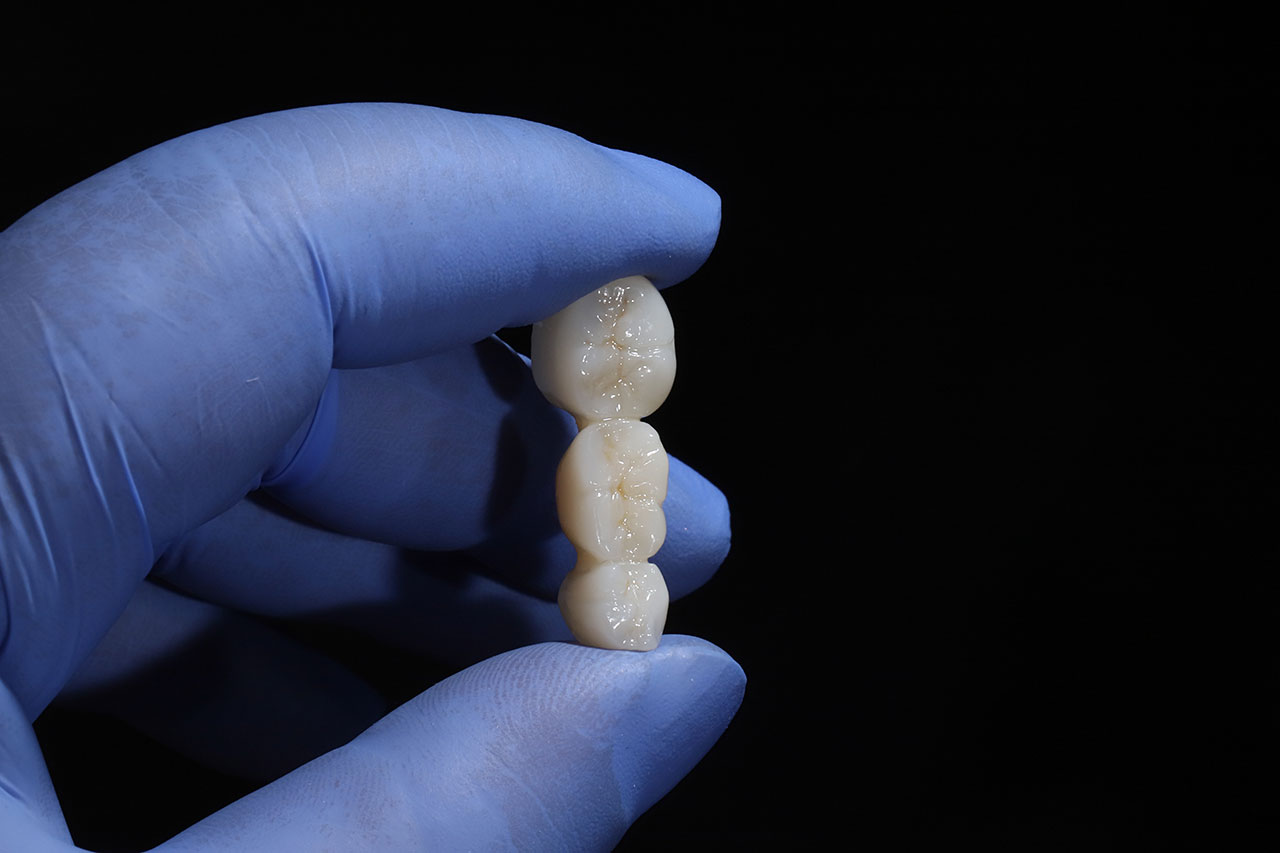
Dental implants, bridges, and removable restorations may be considered to restore the missing space.
In certain situations, bone preservation procedures may be discussed around the time of extraction to support future treatment.
However, not every extraction site requires the same approach. A personalized plan helps determine whether replacement is recommended and when it should occur.
How Do You Know Whether Healing Is Normal?
Normal healing generally involves symptoms that gradually improve. Mild tenderness, limited swelling, and temporary changes in the gum tissue can occur.
The extraction site may develop a whitish or yellowish healing layer as tissue repairs itself. This does not automatically indicate infection.
However, increasing pain, persistent heavy bleeding, fever, worsening swelling, pus, or a strong unpleasant taste should be evaluated.
Do not attempt to scrape or remove material from the socket. If something looks unusual, the dental team can determine whether it is part of normal healing.
Frequently Asked Questions About Tooth Extraction Recovery
How long will my mouth hurt after a tooth extraction?
Some tenderness is common for several days, although recovery varies. Pain that becomes significantly worse or does not improve should be evaluated.
When can I eat solid food again?
Patients can gradually return to firmer foods as comfort and healing allow. Follow the instructions provided for your particular extraction.
How do I know if I have dry socket?
Dry socket may cause significant pain that develops or worsens several days after extraction, sometimes radiating toward the ear or jaw. A dentist must evaluate the area to confirm the cause.
Can I brush my teeth after an extraction?
Oral hygiene remains important, but the extraction site should be protected. Follow the dental team’s instructions about brushing and rinsing near the socket.
When should I call the dentist during recovery?
Contact the office for worsening pain, persistent bleeding, fever, increasing swelling, unusual drainage, or other symptoms that concern you. Difficulty breathing or swallowing requires emergency medical attention.
Feel Prepared for a Comfortable Recovery
Tooth extraction recovery is easier to manage when you understand what to expect. Protecting the blood clot, choosing appropriate foods, maintaining gentle oral hygiene, and recognizing warning signs can all support a smoother healing experience.
Contact Kulick Dental in Seven Hills, OH, at (216) 236-6300 to schedule a consultation or discuss concerns after a tooth extraction. Our team can provide personalized instructions and help you plan for a healthy recovery.