Finding out you have a cavity can raise several questions. Will the treatment hurt? Will the filling be noticeable? How long will the repaired tooth last? Fortunately, modern restorative dentistry offers tooth-colored fillings that can repair many cavities while preserving healthy tooth structure and maintaining a natural appearance.
At Kulick Dental in Seven Hills, OH, composite fillings are among the treatments available to restore damaged teeth. These restorations are designed to blend with surrounding enamel while rebuilding areas affected by decay or minor damage. Understanding how tooth-colored fillings work can help patients feel more comfortable about treatment and recognize why addressing a small cavity early is often preferable to waiting.
What Is a Tooth-Colored Filling?
A tooth-colored filling is a dental restoration made from composite resin, a material containing a blend of resin and reinforcing particles. The dentist selects a shade that complements the natural tooth and uses the material to repair a cavity or certain types of minor damage.
Unlike traditional silver-colored amalgam fillings, composite restorations are designed to resemble natural enamel. This makes them especially useful for visible teeth, although they are also commonly used on back teeth.
Composite material is placed into the prepared area, shaped, and hardened using a special curing light. The dentist then adjusts and polishes the filling so it fits comfortably within the bite.
The result is a restoration intended to replace missing tooth structure while allowing the tooth to continue functioning normally.
Why Do Cavities Develop?
Cavities develop when acids produced by bacteria gradually weaken and damage tooth structure. Bacteria collect in a sticky film called plaque, which forms on teeth throughout the day.
When plaque bacteria encounter sugars and certain carbohydrates, they produce acids. Repeated acid exposure can remove minerals from enamel, eventually creating an area of permanent damage.
Several factors influence cavity risk, including brushing habits, cleaning between teeth, saliva production, diet, fluoride exposure, and the shape of the teeth.
Deep grooves in molars can trap food and plaque, while areas between teeth can be difficult to clean without floss or other interdental tools.
Because early cavities may not cause pain, routine dental examinations remain important even when your teeth feel completely normal.
How Do You Know If You Need a Filling?
Some cavities cause sensitivity to sweets, cold beverages, or chewing pressure. Others may appear as dark spots, rough areas, or visible holes in the tooth.
However, these symptoms are not reliable enough to diagnose every cavity. Discoloration does not always indicate decay, and some cavities develop between teeth where they cannot be seen easily.
A dentist may use visual examination, dental imaging, and other diagnostic methods to determine whether a tooth requires restoration.
Very early enamel changes may sometimes be managed with preventive treatment and monitoring. Once a cavity has created a defect that cannot remineralize, a filling may be necessary.
What Happens During a Tooth-Colored Filling Appointment?
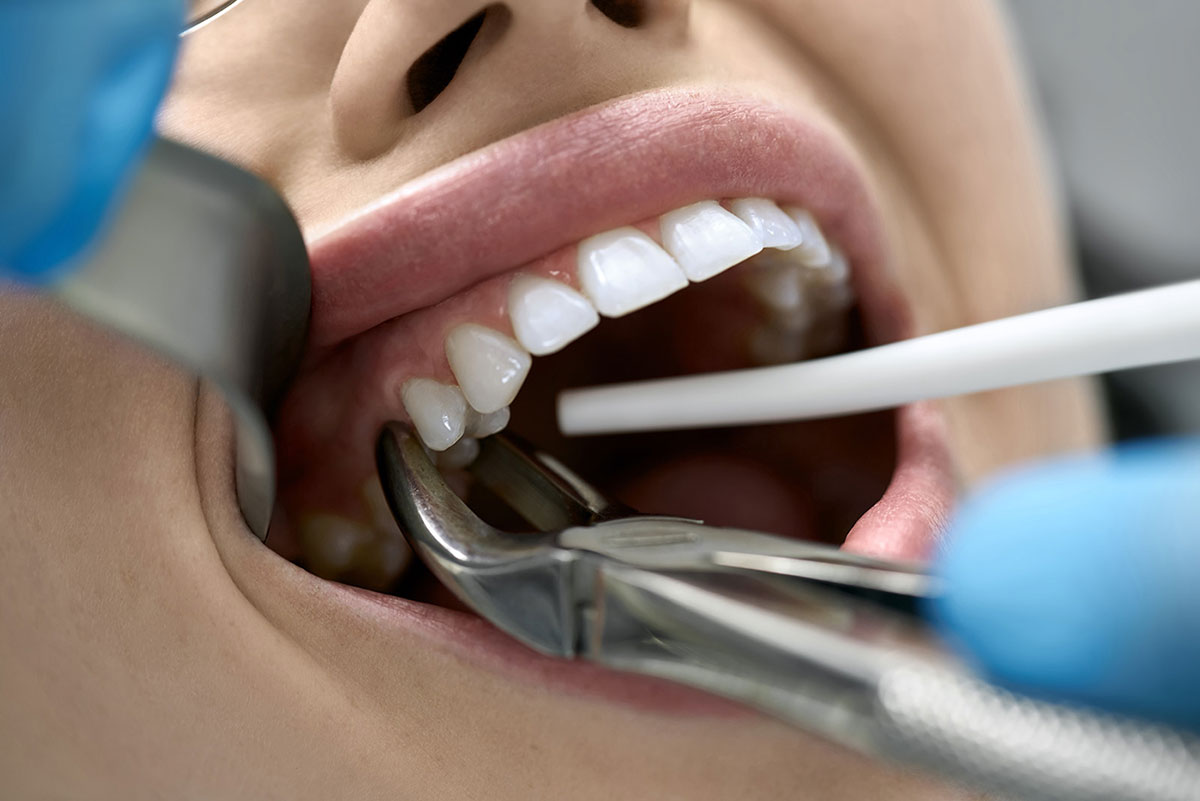
The appointment begins with confirming which tooth needs treatment and discussing the procedure. If necessary, local anesthesia is administered to numb the tooth and surrounding tissues.
Next, the dentist removes the decayed portion of the tooth. The goal is to eliminate damaged tissue while preserving as much healthy structure as practical.
The prepared area is cleaned, and the tooth surface is conditioned so the composite material can bond appropriately.
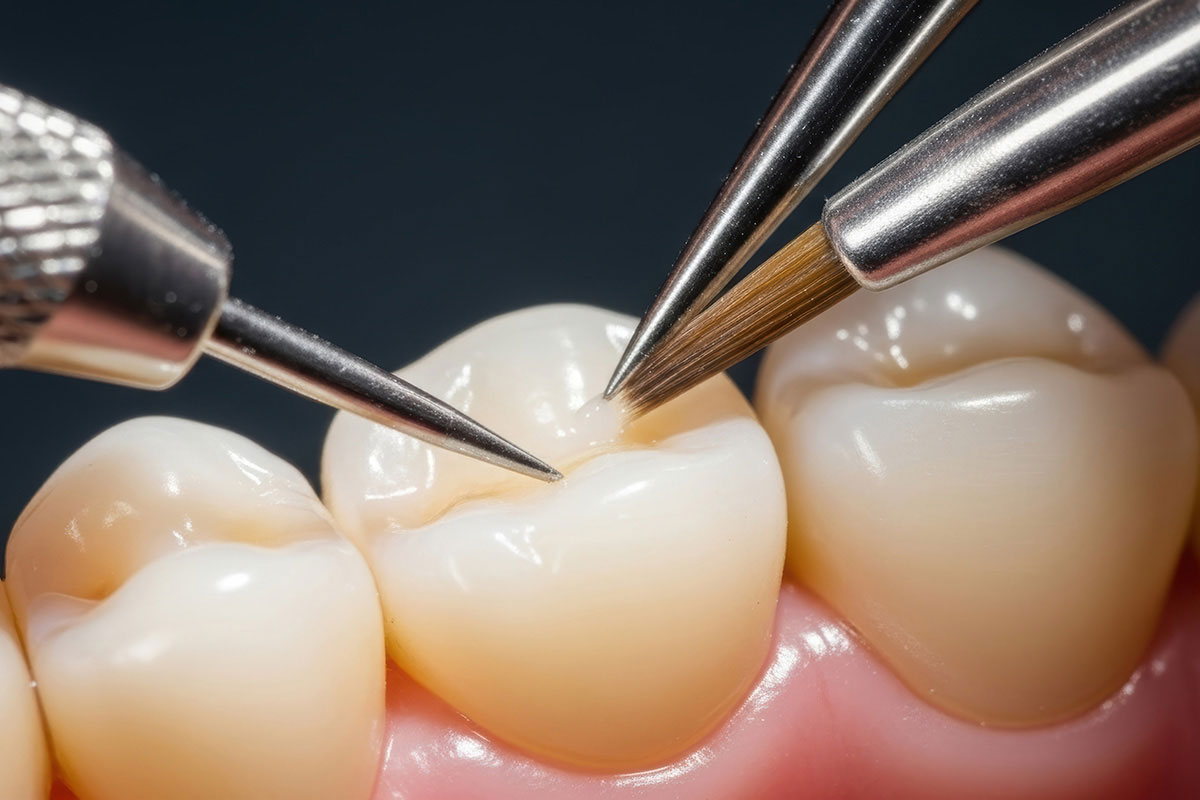
The dentist places the filling material, often in increments, and uses a curing light to harden it. Afterward, the restoration is shaped to recreate the tooth’s natural contours.
Finally, the bite is checked. This step is important because a filling that contacts the opposing tooth too heavily can create discomfort when chewing.
Once the restoration is polished and the bite feels balanced, the appointment is complete.
Do Tooth-Colored Fillings Hurt?
Most patients tolerate filling treatment comfortably with appropriate local anesthesia. You may feel pressure, vibration, or water during the procedure, but sharp pain should be reported immediately.
For very small or shallow restorations, the dentist may determine that anesthesia is unnecessary. This decision depends on the location and depth of the cavity and the patient’s comfort.
After treatment, the tooth may feel temporarily sensitive, particularly if the cavity was deep. Sensitivity to cold or chewing pressure often improves as the tooth settles.
However, persistent pain, increasing sensitivity, or a feeling that the filling is too high should be evaluated. Sometimes a simple bite adjustment can resolve discomfort.
Benefits of Tooth-Colored Fillings
- Natural appearance: Composite resin can be matched to the surrounding tooth color.
- Preservation of tooth structure: Composite fillings can often be placed with conservative preparation.
- Versatile repairs: The material can restore cavities and certain small chips or worn areas.
- Bonded restoration: Composite material bonds to properly prepared tooth surfaces.
- Functional chewing surface: A filling recreates the shape needed for comfortable biting and chewing.
- Mercury-free material: Composite fillings do not contain dental amalgam mercury.
- Repair possibilities: Some composite restorations can be repaired without complete replacement.
- Customized shade: The dentist can select a color that complements the patient’s enamel.
How Long Do Composite Fillings Last?
Tooth-colored fillings can provide years of service, but their lifespan varies. The size and location of the restoration, oral hygiene, bite forces, grinding habits, and surrounding tooth condition all matter.
A small filling in an area with moderate chewing pressure may have a different outlook than a very large restoration in a molar.
Composite fillings can gradually wear, chip, stain, or develop gaps around their edges. Natural tooth structure near the filling can also develop new decay.
Therefore, regular examinations are important even when the restoration looks and feels normal.
If a filling becomes damaged, the dentist will determine whether it can be repaired, replaced, or whether the tooth needs a different restoration.
Can You Eat After Getting a Filling?
Composite fillings are generally hardened during the appointment, so the material itself does not require several hours to set afterward.
However, patients should avoid chewing while their mouth remains numb because they could accidentally bite the cheek, tongue, or lip.
If the tooth feels tender, begin with foods that are comfortable to chew. Avoid unusually hard foods until any temporary sensitivity improves.
Follow any specific instructions provided by the dental team, especially when the filling was large or the tooth had significant sensitivity before treatment.
What Is the Difference Between a Filling and a Crown?
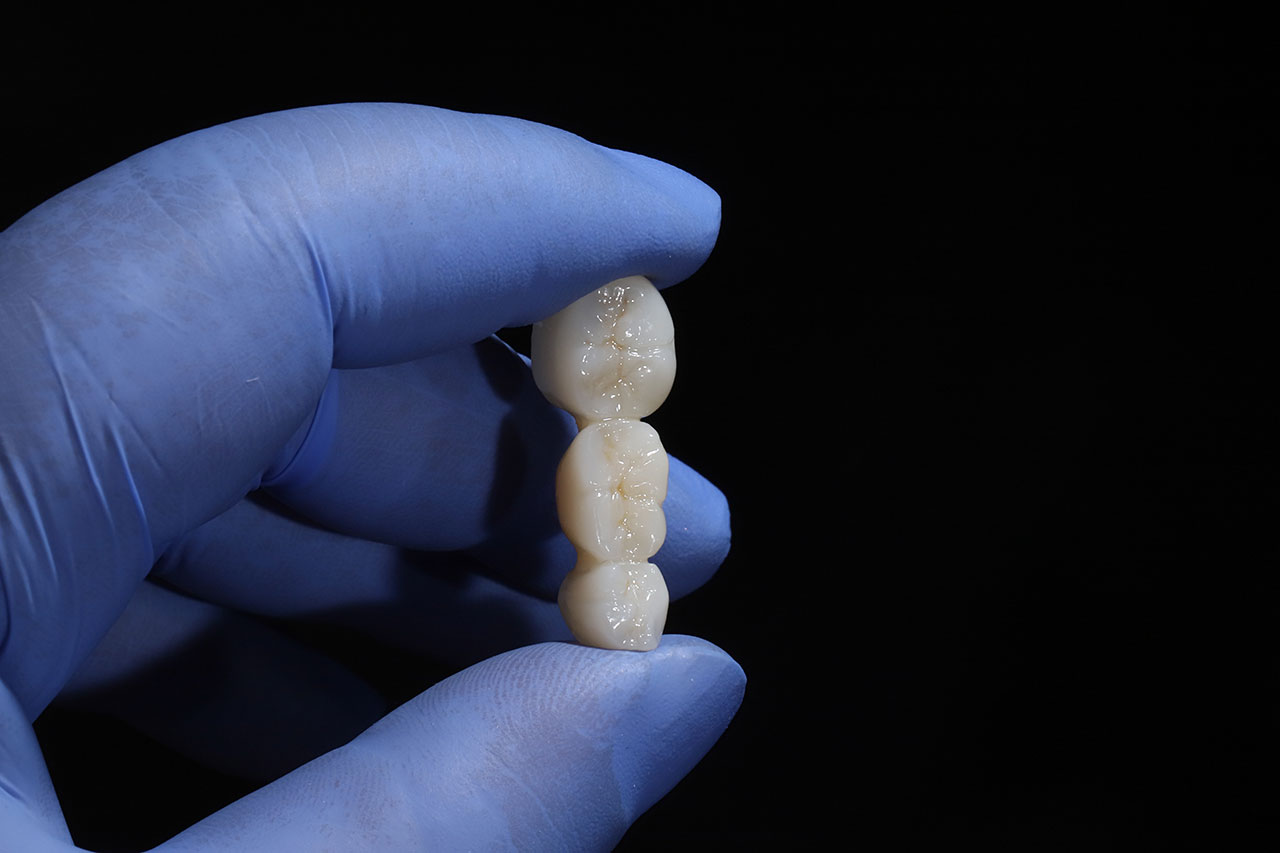
A filling repairs a specific area of a tooth. A crown covers much more of the visible tooth structure and is generally used when additional protection is necessary.
Small to moderate cavities can often be restored with fillings. However, a tooth with extensive decay, major fractures, or a very large existing filling may need a crown.
The decision depends on how much healthy structure remains and whether the tooth can withstand normal chewing forces after restoration.
Using a filling when it is sufficient helps preserve natural tooth structure. Meanwhile, choosing a crown when needed can protect a tooth that would otherwise be vulnerable to fracture.
Can a Filling Develop Another Cavity?
The filling material itself does not develop decay, but the natural tooth surrounding it can. Plaque may collect near the edges of a restoration, particularly if daily cleaning is inconsistent.
Over time, a gap or worn margin may also make it easier for bacteria to affect nearby tooth structure.
Brushing with fluoride toothpaste, cleaning between teeth daily, and attending preventive appointments help protect restored teeth.
Patients should also mention persistent food trapping, a rough filling edge, or sensitivity around an older restoration.
How Can You Prevent Future Cavities?
Brush twice daily using fluoride toothpaste and a soft-bristled toothbrush. Clean between teeth every day, paying particular attention to areas where teeth contact each other.
Try to reduce frequent exposure to sugary drinks and snacks. The number of times teeth encounter sugar can matter as much as the total amount consumed.
Water is a useful everyday beverage because it helps rinse food particles from the mouth and supports normal saliva function.
Professional cleanings and examinations provide opportunities to detect plaque buildup, weakened enamel, and early cavities.
Patients with repeated decay may also benefit from additional fluoride, dental sealants, or a personalized preventive plan.
Are Tooth-Colored Fillings Suitable for Back Teeth?
Composite fillings are frequently used on molars and premolars. However, the size of the cavity and the amount of chewing pressure influence whether composite is the best choice.
Back teeth handle substantial forces, especially in patients who grind or clench. If a tooth has lost too much structure, a crown or another restoration may provide more predictable support.
Your dentist will consider both appearance and function when selecting the material and restoration design.
Frequently Asked Questions About Tooth-Colored Fillings
How long does a tooth-colored filling appointment take?
The appointment length depends on the number of teeth being treated, cavity size, location, and complexity. Small fillings may require less time than larger restorations.
Will my filling match my natural tooth?
Composite resin is available in multiple shades. The dentist selects a color intended to blend with surrounding enamel, although exact appearance can vary.
Can I brush and floss around a new filling?
Yes. Restored teeth need regular brushing and daily cleaning between teeth. Follow any special instructions given after treatment.
Why is my tooth sensitive after a filling?
Temporary sensitivity may occur because the tooth was treated or because the cavity was deep. Persistent or worsening discomfort should be evaluated.
Can a tooth-colored filling be replaced?
Yes. If a filling becomes damaged, worn, or affected by recurrent decay, the dentist can evaluate repair or replacement options.
Keep Small Cavities From Becoming Bigger Problems
Tooth-colored fillings offer a conservative way to repair many cavities while maintaining the appearance and function of natural teeth. Treating decay before it becomes extensive can also help preserve more healthy tooth structure.
Contact Kulick Dental in Seven Hills, OH, at (216) 236-6300 to book an appointment. Our team can examine your teeth, explain whether a filling is appropriate, and recommend restorative care tailored to your needs.
“` **Word count:** Approximately 1,300 words, excluding schema. — ## Blog 2: Dental SealantsDental Sealants for Kids and Adults: How They Help Prevent Cavities
Even people who brush carefully can develop cavities in the deep grooves of their back teeth. These narrow spaces can trap food and bacteria, making them difficult to clean with a toothbrush alone. Fortunately, preventive dentistry includes a simple treatment called dental sealants that can help protect vulnerable chewing surfaces.
At Kulick Dental in Seven Hills, OH, prevention is an important part of helping patients maintain healthy teeth throughout life. Dental sealants are often associated with children, but they may also be useful for certain adults. Understanding how sealants work, when they are recommended, and how they differ from fillings can help families make informed decisions about cavity prevention.
What Are Dental Sealants?
Dental sealants are thin protective coatings applied to the chewing surfaces of teeth, most commonly molars and premolars. These teeth often have narrow grooves, pits, and valleys where plaque can collect.
Although toothbrush bristles remove plaque from many surfaces, they may not reach the deepest portions of certain grooves. Sealants cover these vulnerable areas with a smooth protective layer.
The material is generally tooth-colored or clear, so it does not dramatically change the appearance of the tooth.
Once the sealant is placed and hardened, it creates a physical barrier between the enamel and food particles or bacteria that might otherwise collect inside the grooves.
Why Are Back Teeth More Vulnerable to Cavities?
Molars have broad chewing surfaces designed to crush and grind food. Their natural grooves help with this function, but the same anatomy can make cleaning more challenging.
Some grooves are relatively shallow and easy to brush. Others are narrow and deep, allowing plaque to remain even when someone follows a consistent brushing routine.
Children may be especially vulnerable because newly erupted permanent molars are sometimes difficult to reach. Additionally, young patients are still developing their brushing skills.
However, adults can have similar challenges. Deep grooves remain part of the tooth’s anatomy throughout life unless they have been restored or otherwise altered.
How Do Dental Sealants Prevent Cavities?
Dental sealants work by covering the pits and fissures where plaque can accumulate. The protective material helps prevent food and bacteria from settling into those narrow areas.
Without a sealant, plaque bacteria can produce acids directly against enamel within the groove. Over time, repeated acid exposure may weaken the tooth and contribute to decay.
By sealing the groove, the dentist makes the surface easier to keep clean and reduces one important pathway for cavity development.
However, sealants do not protect every surface of the tooth. Cavities can still develop between teeth, near the gums, or around damaged restorations.
Therefore, dental sealants should complement brushing, flossing, fluoride, and regular examinations rather than replace them.
When Should Children Get Dental Sealants?
Dental sealants are often considered when permanent molars erupt. The first permanent molars commonly appear around age six, while the second permanent molars often emerge around age twelve.
These ages are approximate because tooth development varies between children.
Applying sealants soon after eruption may help protect newly exposed chewing surfaces before decay develops.
However, not every tooth needs a sealant. The dentist evaluates groove depth, cavity risk, tooth development, and the ability to keep the area clean.
Some primary teeth may also benefit from sealants in selected circumstances, particularly when they have deep grooves and the child is at elevated risk for cavities.
Can Adults Benefit From Dental Sealants?
Yes. Although dental sealants are most commonly discussed for children and teenagers, adults may benefit when they have deep, cavity-prone grooves in otherwise healthy teeth.
For example, an adult with naturally deep molar grooves and a history of chewing-surface cavities may be considered for sealants on suitable unrestored teeth.
However, existing fillings, tooth wear, decay, and the condition of the enamel can influence whether a sealant is appropriate.
The dentist will determine whether the tooth would benefit from preventive coating or whether another treatment is necessary.
Adults should not assume that sealants are only available during childhood. The decision should be based on the tooth’s condition and the patient’s risk.
What Happens During Dental Sealant Application?
Sealant application is generally straightforward and does not require drilling when the tooth is healthy and suitable for the procedure.
First, the tooth is cleaned to remove plaque and debris from the chewing surface. The dentist or hygienist then prepares the enamel so the sealant can bond properly.
The tooth is kept dry while the material is applied. Maintaining a dry surface is important because moisture can interfere with bonding.
Next, the liquid sealant flows into the grooves and is hardened, often with a curing light.
Finally, the dental team checks the coating and evaluates how the teeth fit together when the patient bites.
The process is usually quick and comfortable, making it particularly useful for children who may feel nervous about dental treatment.
Do Dental Sealants Hurt?
Applying a sealant to a healthy tooth is generally painless. The procedure usually does not involve removing healthy tooth structure or placing an injection.
Patients may notice the sensation of cleaning, air, or a temporary change in the tooth’s surface during treatment.
After application, the tooth may feel slightly different when the tongue touches it. This sensation often becomes less noticeable as the patient adjusts.
If the bite feels unusually high or uncomfortable, the dental team can check whether the material needs adjustment.
Benefits of Dental Sealants
- Helps prevent cavities: Sealants protect vulnerable chewing grooves from plaque and food accumulation.
- Preserves natural enamel: Preventing decay can reduce the need for future restorative treatment.
- Quick application: Sealants can often be applied during a preventive dental appointment.
- Comfortable treatment: Application generally does not require drilling or local anesthesia.
- Useful for children: Newly erupted molars can receive protection while brushing skills continue developing.
- Potential adult benefits: Suitable adults with deep grooves may also receive additional protection.
- Easier surface cleaning: Covering narrow grooves can reduce places where plaque becomes trapped.
- Complements preventive care: Sealants work alongside fluoride, brushing, flossing, and dental examinations.
How Long Do Dental Sealants Last?
Dental sealants can remain effective for several years, but their lifespan varies. Chewing forces, grinding, tooth anatomy, material condition, and daily habits can all affect durability.
Over time, a sealant may wear down, chip, or partially separate from the tooth.
Fortunately, the dental team can inspect sealants during routine examinations and determine whether repair or replacement is necessary.
A sealant that has partially worn away should not automatically be considered a treatment failure. Instead, its remaining coverage and the underlying tooth should be evaluated.
Regular monitoring helps ensure the protected grooves remain in good condition.
Can You Eat After Getting Dental Sealants?
Many sealant materials are hardened during the appointment, allowing patients to return to normal activities relatively quickly.
However, follow any instructions provided by your dentist because materials and application techniques may differ.
Patients should avoid chewing hard nonfood objects such as ice, pens, or packaging materials. These habits can damage natural teeth as well as dental restorations and sealants.
Good daily brushing remains important because the sealant only covers selected areas of the tooth.
Are Sealants the Same as Fillings?
No. Dental sealants and fillings serve different purposes.
A sealant is primarily preventive. It covers grooves in a suitable tooth to help reduce the risk of decay.
A filling is restorative. It replaces tooth structure that has already been damaged by a cavity or another problem.
Although some sealants may be used in carefully selected early lesions under professional monitoring, an established cavity with significant structural damage generally requires restorative treatment.
This is why a dental examination is necessary before deciding whether a tooth should be sealed or filled.
Do Sealants Replace Fluoride Treatments?
No. Sealants and fluoride protect teeth in different ways.
Sealants create a physical barrier over vulnerable grooves. Fluoride helps strengthen enamel and supports resistance to acid-related mineral loss.
Because cavities can develop on smooth surfaces and between teeth, fluoride remains an important preventive tool even when molars have sealants.
The dentist may recommend both treatments for a patient with elevated cavity risk.
Other preventive measures, including diet guidance and improved cleaning techniques, may also be part of the plan.
How Can Parents Help Sealants Last?
Parents can support their children’s sealants by encouraging consistent brushing and regular dental visits.
Children should brush twice daily with an age-appropriate amount of fluoride toothpaste and receive help with brushing until they can clean effectively on their own.
Daily cleaning between teeth is important once neighboring teeth touch.
Encourage children to avoid chewing ice, pencils, and other hard objects. These habits can damage sealants and natural enamel.
During routine examinations, ask whether the sealants remain intact and whether additional teeth may benefit as permanent molars erupt.
What If a Sealant Falls Off?
A missing or damaged sealant does not always create an immediate emergency. However, the tooth should be evaluated so the exposed grooves can be checked for decay.
If the tooth remains healthy, the sealant may be repaired or replaced.
Do not attempt to apply household adhesives or over-the-counter materials to the tooth.
Instead, contact the dental office and describe what you noticed. The team can recommend an appropriate appointment.
Frequently Asked Questions About Dental Sealants
Are dental sealants only for children?
No. Children commonly receive sealants when permanent molars erupt, but some adults with deep grooves and suitable teeth may also benefit.
Does applying a dental sealant require drilling?
Sealant application on a healthy tooth generally does not require drilling or local anesthesia.
Can cavities form under dental sealants?
Decay can develop if a sealant becomes compromised or if existing disease was not appropriately addressed. Regular dental examinations help monitor the tooth and coating.
How often should sealants be checked?
Sealants should be inspected during routine dental examinations so the dentist can identify wear, damage, or loss of coverage.
Do sealants replace brushing and flossing?
No. Sealants protect selected chewing grooves, but brushing, flossing, fluoride, and regular preventive care remain essential.
Protect Healthy Teeth Before Cavities Develop
Dental sealants offer a practical way to protect vulnerable chewing surfaces, especially when deep grooves make thorough cleaning difficult. Whether the patient is a child with newly erupted molars or an adult with cavity-prone teeth, prevention should be tailored to individual needs.
Call Kulick Dental in Seven Hills, OH, at (216) 236-6300 to schedule a consultation. Our team can evaluate your family’s cavity risk and determine whether dental sealants belong in your preventive care plan.