Missing even one tooth can change how your mouth feels and functions. You might notice that food gets trapped in an unfamiliar space, chewing feels uneven, or neighboring teeth seem to be moving. Fortunately, restorative dentistry offers several solutions for replacing missing teeth, including dental bridges.
At Kulick Dental in Seven Hills, OH, dental bridges may be considered for patients who want to restore one or more missing teeth without using a removable appliance. A bridge fills an open space with artificial teeth supported by natural teeth, dental implants, or another suitable design. However, the best choice depends on the condition of the surrounding teeth, your bite, oral health, and long-term goals.
What Is a Dental Bridge?
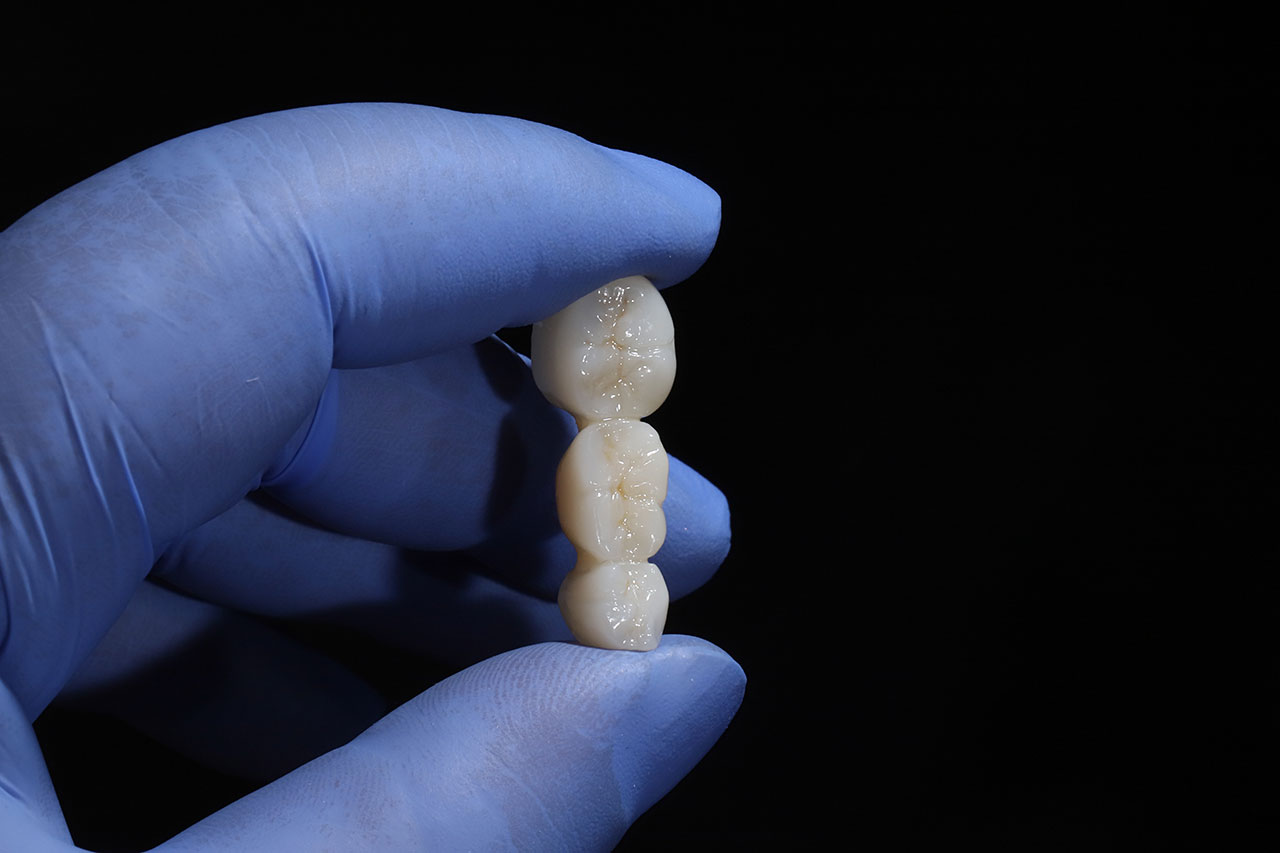
A dental bridge is a fixed dental restoration designed to replace one or more missing teeth. The replacement portion is called a pontic, while the supporting structures are called abutments.
In a traditional bridge, crowns are placed over teeth on either side of the gap. These crowns support the artificial tooth or teeth between them, creating a connected restoration.
Because the bridge is fixed in place, patients do not remove it for routine cleaning. Instead, they brush around it and use specialized tools to clean underneath the replacement tooth.
Dental bridges can be made from different materials, including tooth-colored ceramics and other durable dental materials. The selection depends on the location, available space, chewing forces, and appearance goals.
Why Should a Missing Tooth Be Replaced?
A missing tooth can create changes that extend beyond appearance. When a tooth is lost, the surrounding teeth may gradually move toward the open space. The tooth in the opposing arch may also shift because it no longer meets its original chewing partner.
These changes can influence the bite and make certain areas more difficult to clean. Additionally, losing a back tooth may cause patients to chew more heavily on the opposite side.
Replacing a missing tooth can help restore a more complete chewing surface and maintain relationships between neighboring teeth.
However, not every missing tooth requires the same solution. The location of the gap, the condition of adjacent teeth, and the patient’s preferences all matter when choosing treatment.
What Are the Different Types of Dental Bridges?
Several bridge designs are available. Each uses a different approach to supporting the replacement tooth.
Traditional Dental Bridges
A traditional bridge uses crowns on natural teeth located on both sides of the missing space. These supporting teeth are prepared so the connected restoration can fit securely.
Traditional bridges are commonly considered when the adjacent teeth can provide sufficient support. They may be especially appropriate when neighboring teeth already have large fillings or crowns and could benefit from restoration themselves.
However, preparing healthy teeth involves removing some natural tooth structure. Therefore, the condition of the supporting teeth should be considered carefully.
Cantilever Dental Bridges
A cantilever bridge is supported on only one side of the missing space. This design may be considered in selected situations where support is not available on both sides.
Because the forces are distributed differently, cantilever bridges are not appropriate for every location. Heavy chewing pressure can place significant stress on the supporting tooth.
The dentist must evaluate the bite and supporting structures before recommending this option.
Maryland Dental Bridges
A Maryland bridge typically uses a replacement tooth attached to a framework or bonded extensions secured to the backs of neighboring teeth.
This approach may preserve more natural tooth structure than a traditional bridge. It is sometimes considered for certain front-tooth spaces where biting forces and tooth positions are suitable.
However, bonded bridges may loosen under certain conditions, and not every bite is compatible with this design.
Implant-Supported Dental Bridges
An implant-supported bridge uses dental implants rather than natural teeth as the main supporting structures.
This approach may be considered when several teeth are missing together. Instead of placing a separate implant for every missing tooth, strategically positioned implants may support a connected restoration.
Implant treatment requires sufficient bone support, appropriate medical health, healing time, and ongoing maintenance.
Who Is a Good Candidate for a Dental Bridge?
A good candidate generally has healthy surrounding teeth and gums, adequate support for the proposed restoration, and a commitment to daily oral hygiene.
For a traditional bridge, the supporting teeth must be strong enough to handle the additional forces. Their roots, surrounding bone, and existing restorations all need evaluation.
Patients with untreated gum disease, significant decay, or unstable supporting teeth may need additional treatment before a bridge can be placed.
In some cases, another tooth replacement option may provide a better long-term outlook. A consultation allows the dentist to compare these possibilities.
How Does a Dental Bridge Compare With an Implant?
Both dental bridges and dental implants can replace missing teeth, but they work differently.
A traditional bridge relies on adjacent teeth for support. A dental implant uses a post positioned in the jawbone to support a restoration.
One advantage of an implant is that it may replace a single tooth without requiring the neighboring teeth to be prepared for crowns. However, implant treatment involves surgery and healing.
A traditional bridge generally avoids implant surgery and may be completed over a shorter treatment period. Nevertheless, it depends on the long-term health of the supporting teeth.
Neither treatment is automatically best for everyone. Bone availability, medical history, bite forces, restoration needs, cost, and personal preferences all influence the decision.
Benefits of Dental Bridges
- Replaces missing teeth: Dental bridges restore gaps caused by one or more missing teeth.
- Restores chewing surfaces: Replacement teeth can help distribute chewing pressure more evenly.
- Supports speech: Replacing certain missing teeth may make pronunciation feel more natural.
- Maintains tooth relationships: Filling a gap can help reduce movement of adjacent teeth into the open space.
- Natural-looking appearance: Tooth-colored materials can be designed to blend with the surrounding smile.
- Fixed restoration: Traditional bridges remain in place rather than being removed for meals.
- Multiple design options: Different bridge types allow treatment to be tailored to the patient’s dental condition.
- Restorative flexibility: A bridge may be coordinated with crowns or other treatments when neighboring teeth also need attention.
What Happens During Dental Bridge Treatment?
The process begins with an examination of the missing space, neighboring teeth, gums, and bite. Dental imaging may be used to evaluate the supporting teeth and surrounding bone.
If a traditional bridge is selected, the supporting teeth are prepared to accommodate the crowns. The amount of preparation depends on the design and restorative material.
Digital scans or impressions record the shape of the prepared teeth and their relationship to the opposing arch.
A temporary bridge may be used while the permanent restoration is being fabricated. This can help protect the prepared teeth and maintain appearance during the interim period.
When the final bridge is ready, the dentist checks the fit, contacts, appearance, and bite before securing it.
Does Getting a Dental Bridge Hurt?
Local anesthesia is generally used when natural teeth need preparation. Patients may notice pressure or vibration during treatment, but the area should be adequately numbed.
Temporary sensitivity can occur after the supporting teeth are prepared. Some patients also need a short adjustment period to become accustomed to the new restoration.
However, persistent pain, increasing sensitivity, swelling, or difficulty biting should be reported to the dental office.
A bridge should feel comfortable and allow normal function once the mouth has adjusted and the bite is properly balanced.
How Long Do Dental Bridges Last?
The lifespan of a dental bridge varies. Factors include the strength of supporting teeth, gum health, oral hygiene, grinding habits, bridge design, and the amount of chewing pressure placed on the restoration.
Even though the artificial tooth cannot develop a cavity, the natural supporting teeth can still decay around the bridge margins.
Therefore, keeping the supporting teeth healthy is essential. A bridge may need repair or replacement if decay develops, supporting teeth become compromised, or the restoration experiences significant wear.
Regular dental examinations help identify changes before they threaten the entire bridge.
How Do You Clean Under a Dental Bridge?
Cleaning beneath a bridge is different from flossing between individual natural teeth. Because the replacement tooth is connected to the supporting crowns, ordinary floss may not pass vertically through the contacts.
Instead, patients may use floss threaders, specialized bridge floss, interdental brushes, or water flossers as recommended.
The goal is to remove plaque and food debris from beneath the artificial tooth and around the supporting teeth.
Brush twice daily with fluoride toothpaste and clean around the bridge every day. Your dental hygienist can demonstrate the technique and recommend tools suited to the restoration.
Can Food Get Stuck Under a Dental Bridge?
Yes. Depending on the bridge design and gum contours, food may occasionally collect beneath the replacement tooth.
Proper cleaning usually helps manage this issue. However, persistent food trapping, gum irritation, or an unpleasant taste should be evaluated.
These symptoms may indicate that the restoration needs adjustment or that the surrounding tissues require attention.
A well-designed bridge should balance comfortable cleaning access with natural appearance and appropriate contact with the gums.
Can a Dental Bridge Be Repaired?
Some bridge problems can be repaired, while others require replacement. A small chip in certain materials may be manageable, but a loose bridge, damaged supporting tooth, or major fracture can be more complicated.
If a bridge feels loose, avoid chewing hard foods on it and contact the dentist. Do not attempt to secure it with household glue or another adhesive.
The dental team will evaluate whether the bridge and supporting teeth remain healthy enough for repair or recementation.
Frequently Asked Questions About Dental Bridges
Can a dental bridge replace two missing teeth?
Yes. Certain bridges can replace two or more missing teeth, depending on the location, supporting structures, and forces involved.
Is a dental bridge removable?
A traditional fixed dental bridge is not removed by the patient. Removable partial dentures are a different type of tooth replacement.
Will a dental bridge look natural?
Modern tooth-colored bridges can be customized to complement neighboring teeth. The final appearance depends on material selection, tooth shape, shade, and gum contours.
Can I eat normally with a dental bridge?
Many patients return to a broad variety of foods after adapting to their bridge. However, chewing extremely hard objects can damage restorations.
Does a bridge prevent jawbone loss?
A traditional tooth-supported bridge replaces the visible tooth but does not replace the missing root. Consequently, it does not provide the same direct stimulation to the jawbone as an implant.
Restore Your Smile With the Right Tooth Replacement Plan
Missing teeth can affect comfort, chewing, appearance, and long-term bite relationships. Dental bridges provide a fixed restorative option, but the ideal design depends on the condition of your remaining teeth and the goals you want to achieve.
Call Kulick Dental in Seven Hills, OH, at (216) 236-6300 to book an appointment. Our team can explain dental bridge options and help you decide which tooth replacement solution best supports your oral health.