
Many people associate fluoride treatments with childhood dental appointments. However, adults can also benefit from additional enamel protection, particularly when they have sensitive teeth, exposed roots, frequent cavities, or certain medical conditions. Professional fluoride is one of several tools used in preventive dentistry to help protect teeth from decay.
At Kulick Dental in Seven Hills, OH, preventive care is tailored to each patient’s oral health. While some adults receive enough fluoride through toothpaste and drinking water, others may benefit from additional professional treatment. Understanding how fluoride works and which risk factors matter can help you decide whether to discuss it during your next dental visit.
What Is Fluoride?
Fluoride is a naturally occurring mineral that helps protect teeth from the effects of acid. Every day, bacteria in the mouth interact with sugars and other carbohydrates, producing acids that can weaken tooth enamel.
This process is called demineralization. During demineralization, minerals are lost from the outer tooth surface. Saliva helps counteract this process by providing minerals that support repair.
Fluoride strengthens this natural protective cycle. It helps enamel become more resistant to acid and supports the remineralization of early weakened areas.
Although fluoride cannot repair every cavity, it can help protect vulnerable tooth surfaces and reduce the risk of future decay when used appropriately.
How Do Professional Fluoride Treatments Work?
Professional fluoride treatments use a concentrated fluoride product applied directly to the teeth. Common options include fluoride varnishes, gels, and other professionally selected formulations.
The dentist or hygienist chooses the product according to the patient’s age, cavity risk, oral health, and treatment needs.
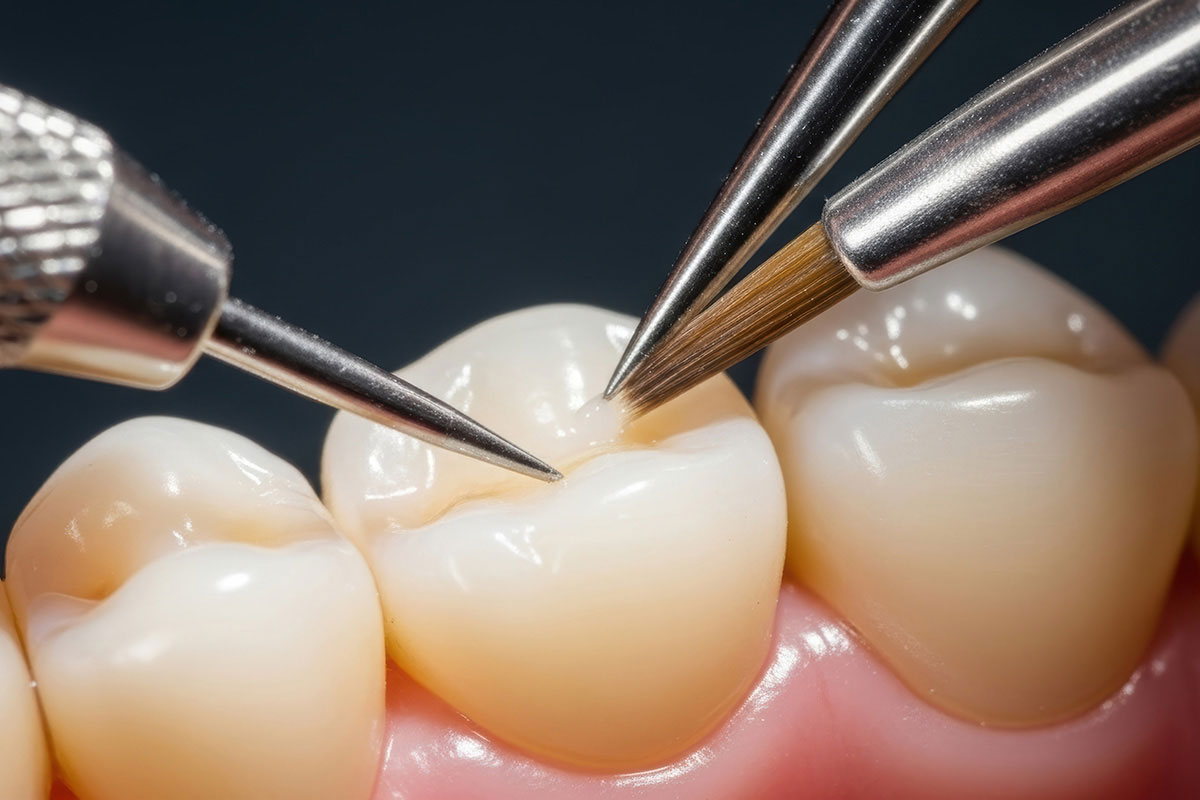
A fluoride varnish is typically brushed onto the tooth surfaces in a thin layer. The application is generally quick and does not require drilling or injections.
After treatment, patients receive instructions about eating, drinking, brushing, and flossing. These instructions may vary depending on the specific fluoride product used.
Professional fluoride treatments are designed to complement daily brushing with fluoride toothpaste rather than replace it.
Why Might Adults Need Extra Fluoride?
Cavity risk changes throughout life. An adult who rarely developed cavities in the past may become more susceptible because of medications, gum recession, dietary changes, dry mouth, or dental restorations.
For example, exposed tooth roots do not have the same protective enamel covering as tooth crowns. As a result, root surfaces may be more vulnerable to decay.
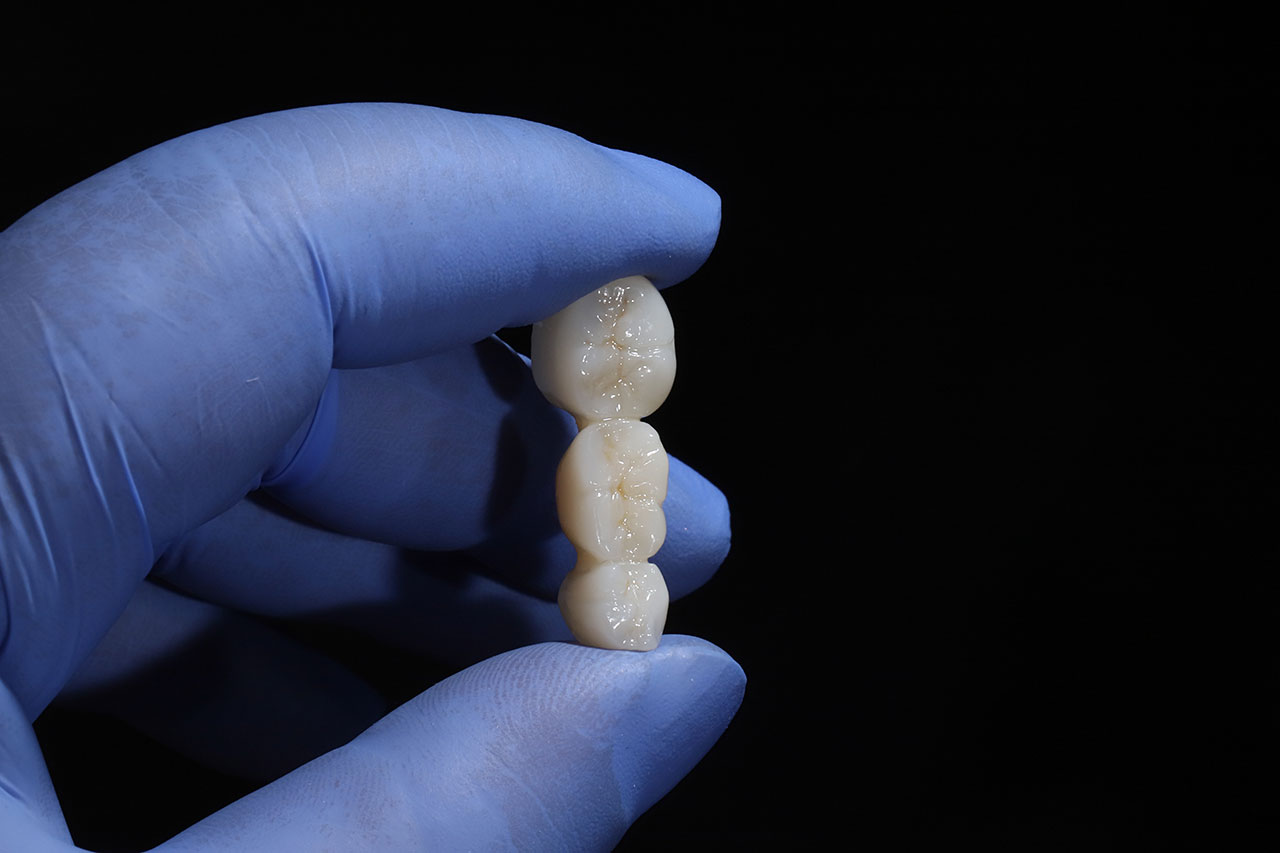
Adults with numerous fillings, crowns, bridges, or other restorations may also have areas that require careful plaque control. The natural tooth structure around restoration edges can still develop cavities.
Therefore, fluoride recommendations should be based on current risk rather than assuming that adults no longer need additional protection.
Fluoride Treatments for Adults With Dry Mouth
Saliva performs several important functions. It helps rinse food particles away, neutralizes acids, and supplies minerals that support tooth enamel.
When saliva production decreases, the mouth may become more vulnerable to cavities. This condition is often called dry mouth.
Dry mouth can be associated with medications, medical conditions, dehydration, or other factors. Patients may notice sticky saliva, difficulty swallowing dry foods, frequent thirst, or an uncomfortable dry sensation.
For adults with persistent dry mouth, professional fluoride may be one part of a broader prevention plan. Other recommendations may include saliva-supporting products, dietary adjustments, and additional home-care measures.
Because dry mouth can have several causes, identifying the contributing factors is also important.
Can Fluoride Help With Tooth Sensitivity?
Tooth sensitivity may occur when enamel becomes worn or when gum recession exposes the underlying root surface.
Cold beverages, sweet foods, and even cool air can trigger brief discomfort in sensitive teeth.
Certain fluoride products may help reduce sensitivity by supporting mineral protection or interacting with exposed tooth surfaces.
However, sensitivity is not always caused by enamel weakness. Cracks, cavities, gum disease, grinding, and other conditions can also create discomfort.
Therefore, persistent or localized sensitivity should be evaluated rather than treated repeatedly without identifying the cause.
What About Adults With Gum Recession?
Gum recession exposes portions of the tooth root that were previously covered by gum tissue. These root surfaces are more vulnerable to decay because they lack the thick enamel covering found on the visible crowns of teeth.
Adults with recession may benefit from targeted preventive strategies, including fluoride treatment when indicated.
The dental team will also examine why the recession occurred. Possible contributing factors include periodontal disease, brushing technique, tooth position, or other conditions.
Fluoride helps protect vulnerable surfaces, but it does not restore lost gum tissue or treat the underlying cause of recession.
Benefits of Fluoride Treatments for Adults
- Stronger enamel protection: Fluoride helps teeth resist acid-related mineral loss.
- Support for remineralization: Fluoride can help early weakened enamel recover minerals before a cavity becomes established.
- Reduced cavity risk: Appropriate fluoride use can lower the likelihood of tooth decay.
- Protection for exposed roots: Adults with gum recession may benefit from additional protection of vulnerable root surfaces.
- Support for dry mouth patients: Professional fluoride can be part of a prevention plan when reduced saliva increases cavity risk.
- Potential sensitivity relief: Certain fluoride products may help manage sensitivity associated with exposed or weakened tooth surfaces.
- Quick application: Professional fluoride treatments are generally simple and do not require drilling.
- Personalized prevention: Treatment frequency and product selection can be adjusted to the patient’s individual risk.
How Often Should Adults Receive Fluoride Treatments?
There is no universal schedule for professional fluoride treatment. Some patients may benefit from application during regular preventive appointments, while others may need a different frequency based on their risk.
Adults with repeated cavities, dry mouth, exposed roots, or other high-risk conditions may receive recommendations that differ from those given to patients with consistently healthy teeth.
The dentist considers cavity history, current tooth condition, diet, saliva, home-care habits, and medical factors before making a recommendation.
In addition, the dental team may suggest prescription-strength fluoride toothpaste or another home product for certain patients.
Using these products according to professional instructions is important because more fluoride is not automatically better.
Is Fluoride Treatment Safe for Adults?
Professional fluoride products are designed to be used in controlled amounts according to established dental protocols.
The dental team selects the appropriate product and application method based on the patient’s needs and relevant medical information.
Patients should mention allergies, current oral-care products, medical conditions, and any previous unusual reactions to dental treatments.
Although professional fluoride is generally well tolerated, the dentist can explain the expected benefits, possible limitations, and any precautions related to the selected product.
Following the instructions provided after treatment helps ensure the product is used appropriately.
Do You Still Need Fluoride if You Brush Twice a Day?
Brushing twice daily with fluoride toothpaste is an excellent foundation for cavity prevention. However, toothpaste alone may not provide enough protection for every patient’s risk level.
For example, someone with significant dry mouth or repeated root cavities may benefit from additional preventive measures.
On the other hand, an adult with a low cavity risk and good oral hygiene may not need frequent professional fluoride applications.
Instead of treating fluoride as an automatic requirement, preventive care should be based on the patient’s oral health and the likelihood of developing new cavities.
Can Fluoride Reverse a Cavity?
Fluoride can help remineralize early areas of enamel weakness before the tooth surface has developed a permanent hole.
However, once a cavity has progressed to the point that the tooth structure is physically broken down, fluoride alone cannot rebuild the missing portion.
That type of damage generally requires restorative treatment, such as a filling or another appropriate procedure.
This distinction explains why early dental examinations are valuable. Detecting enamel changes before a cavity becomes established can create opportunities for preventive management.
What Foods and Habits Affect Enamel Health?
Frequent exposure to sugar and acidic foods or beverages can increase the risk of enamel damage. Soda, sports drinks, energy drinks, sour candy, and frequent snacking may all contribute to repeated acid challenges.
The frequency of exposure can be especially important. Slowly sipping a sweetened beverage over several hours may expose the teeth to repeated acid production.
Drinking water between meals, limiting frequent sugary snacks, and maintaining consistent oral hygiene can support enamel health.
However, nutrition does not need to become unnecessarily restrictive. A balanced diet and thoughtful habits are generally more sustainable than avoiding entire food groups without a medical reason.
How Does Fluoride Fit Into a Preventive Dental Plan?
Fluoride works best as one part of comprehensive prevention. Professional cleanings remove plaque and tartar, dental examinations monitor tooth health, and home care controls daily bacterial buildup.
Meanwhile, fluoride can strengthen vulnerable tooth surfaces and support protection against decay.
Other preventive measures may include dental sealants, dietary counseling, treatment of dry mouth, and more frequent monitoring when indicated.
Combining these strategies helps address several contributors to cavity development rather than relying on a single product.
Frequently Asked Questions About Fluoride Treatments for Adults
Are fluoride treatments only for children?
No. Adults may benefit from professional fluoride treatments, particularly when they have elevated cavity risk, dry mouth, exposed roots, or repeated decay.
Does fluoride treatment hurt?
Professional fluoride application is generally quick and comfortable. It does not typically require drilling or injections.
Can fluoride help sensitive teeth?
Certain fluoride products may help reduce sensitivity associated with exposed or weakened tooth surfaces. However, persistent sensitivity should be evaluated to identify its cause.
How often should adults get fluoride treatments?
Frequency depends on cavity risk, oral health, medical history, and professional recommendations. Not every adult needs the same schedule.
Can fluoride replace a dental filling?
Fluoride can support remineralization of early enamel changes, but it cannot replace tooth structure lost to an established cavity.
Give Your Teeth the Protection They Need
Fluoride treatments are not exclusively for children. For adults with certain risk factors, professional fluoride can provide additional support for enamel, exposed roots, and long-term cavity prevention. The most useful approach is one based on your individual dental health.
Contact Kulick Dental in Seven Hills, OH, at (216) 236-6300 to book an appointment. Our team can evaluate your cavity risk and explain whether professional fluoride treatments should be part of your preventive care plan.