
When a tooth becomes severely damaged or infected, one of the biggest questions patients face is whether it can be saved. The thought of needing a major dental procedure may feel overwhelming, especially when pain is already making it difficult to eat, sleep, or concentrate. Fortunately, modern restorative dentistry offers several ways to address damaged teeth, including root canal therapy and tooth extraction.
At Kulick Dental in Seven Hills, OH, preserving natural teeth whenever possible is an important part of treatment planning. However, there are situations when removing a tooth may be the healthier and more predictable option. Understanding the differences between root canal therapy and tooth extraction can help you feel more informed when discussing your options with your dentist.
What Is Root Canal Therapy?
Root canal therapy is a procedure designed to preserve a natural tooth when the soft tissue inside it becomes inflamed or infected. This tissue, called the pulp, contains nerves, blood vessels, and connective tissue that help the tooth develop.
Once a permanent tooth has fully developed, it can continue functioning without living pulp tissue because the surrounding tissues provide support and nourishment.
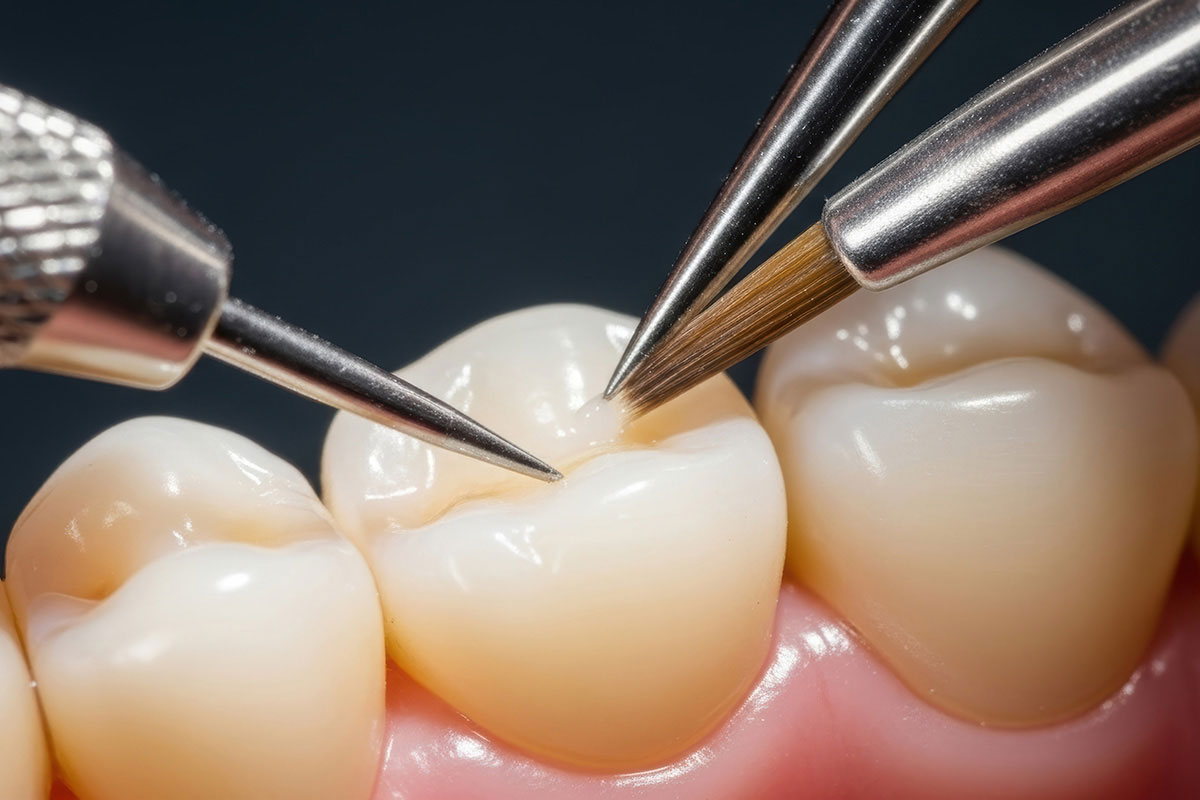
During root canal therapy, the dentist creates a small opening in the tooth, removes the affected tissue, cleans and shapes the internal canals, and seals the space with a dental filling material.
Afterward, the tooth is restored with a filling or crown, depending on its condition. The goal is to eliminate the source of infection or inflammation while preserving the natural tooth root and maintaining the tooth’s place in the bite.
What Is a Tooth Extraction?
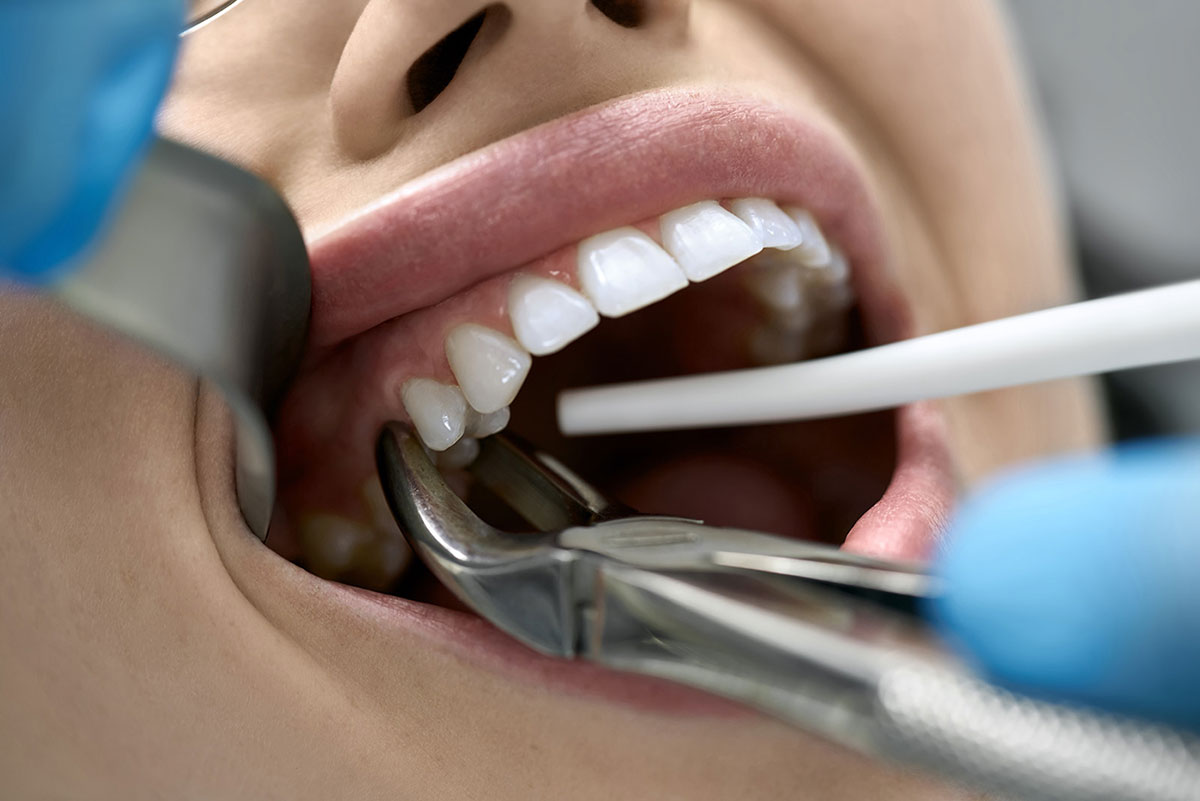
A tooth extraction involves removing a tooth from its socket in the jawbone. Extractions may be recommended when a tooth is too damaged to repair, has extensive decay, is severely loose because of gum disease, or has a fracture that makes long-term preservation unlikely.
There are different types of extractions. A simple extraction may be possible when the tooth is visible and accessible. A surgical extraction may be necessary when the tooth is broken below the gumline or requires additional access.
Local anesthesia is typically used to numb the area. Depending on the situation, the dentist may also discuss comfort options and instructions for managing recovery.
Although removing a tooth can eliminate the immediate source of a dental problem, the missing tooth may eventually need to be replaced to restore chewing function and support the surrounding bite.
When Can a Root Canal Save a Tooth?
Root canal therapy may be appropriate when the internal pulp is infected or inflamed but enough healthy tooth structure remains to support a durable restoration.
For example, a deep cavity may allow bacteria to reach the pulp. A cracked tooth may also expose sensitive internal tissue or create inflammation that cannot heal on its own.
In these situations, root canal therapy can address the problem inside the tooth. However, the dentist must also determine whether the outside of the tooth can be rebuilt predictably.
A successful root canal does not automatically mean every tooth can be saved. The amount of remaining tooth structure, gum health, bone support, and presence of deep fractures all influence the long-term outlook.
When Is Tooth Extraction the Better Option?
Sometimes the damage extends beyond what restorative treatment can predictably repair. A tooth may have a vertical root fracture, extensive decay beneath the gumline, severe bone loss, or a structural problem that prevents a stable restoration.
In these cases, attempting to preserve the tooth may lead to recurring infection, discomfort, or additional treatment without a reasonable chance of long-term success.
Tooth extraction may also be considered when a tooth creates a problem for the overall treatment plan, although preserving healthy natural teeth remains a priority whenever practical.
Because the decision is significant, patients should understand why a tooth is considered non-restorable and whether any reasonable alternatives are available.
How Do Dentists Decide Between the Two Treatments?
The decision begins with a comprehensive examination. Your dentist evaluates the tooth, gums, surrounding bone, bite, and any existing restorations.
Dental X-rays help reveal the roots, surrounding bone, deep decay, and changes that may suggest infection. Additional testing may be used to determine whether the pulp is healthy, inflamed, or no longer vital.
The dentist also considers whether the tooth can support a filling or crown after treatment. If too little sound structure remains, a root canal alone may not provide a reliable solution.
Finally, your medical history, treatment goals, financial considerations, and willingness to maintain the restoration are important parts of the discussion.
Benefits of Root Canal Therapy
- Preserves the natural tooth: Root canal therapy can allow a damaged tooth to remain in its original position.
- Maintains natural chewing: Keeping the tooth helps preserve familiar chewing surfaces and bite relationships.
- Addresses internal infection: Removing affected pulp tissue allows the internal tooth space to be cleaned and sealed.
- May prevent tooth replacement: A successfully restored natural tooth may eliminate the need for an implant, bridge, or denture in that location.
- Protects neighboring teeth: Preserving the tooth helps maintain its relationship with surrounding teeth.
- Supports natural appearance: The visible tooth can often be restored with a tooth-colored filling or crown.
- Retains the natural root: The original root remains within the jaw and continues to provide support through its surrounding tissues.
- Long-term potential: Proper restoration and ongoing care can allow many root canal-treated teeth to remain functional for years.
Benefits of Tooth Extraction When Necessary
- Removes a non-restorable tooth: Extraction addresses teeth that cannot be repaired predictably.
- Eliminates a source of infection: Removing a severely infected tooth may be an important part of controlling the dental problem.
- Prevents repeated unsuccessful repairs: Extraction may avoid further treatment on a tooth with an unfavorable prognosis.
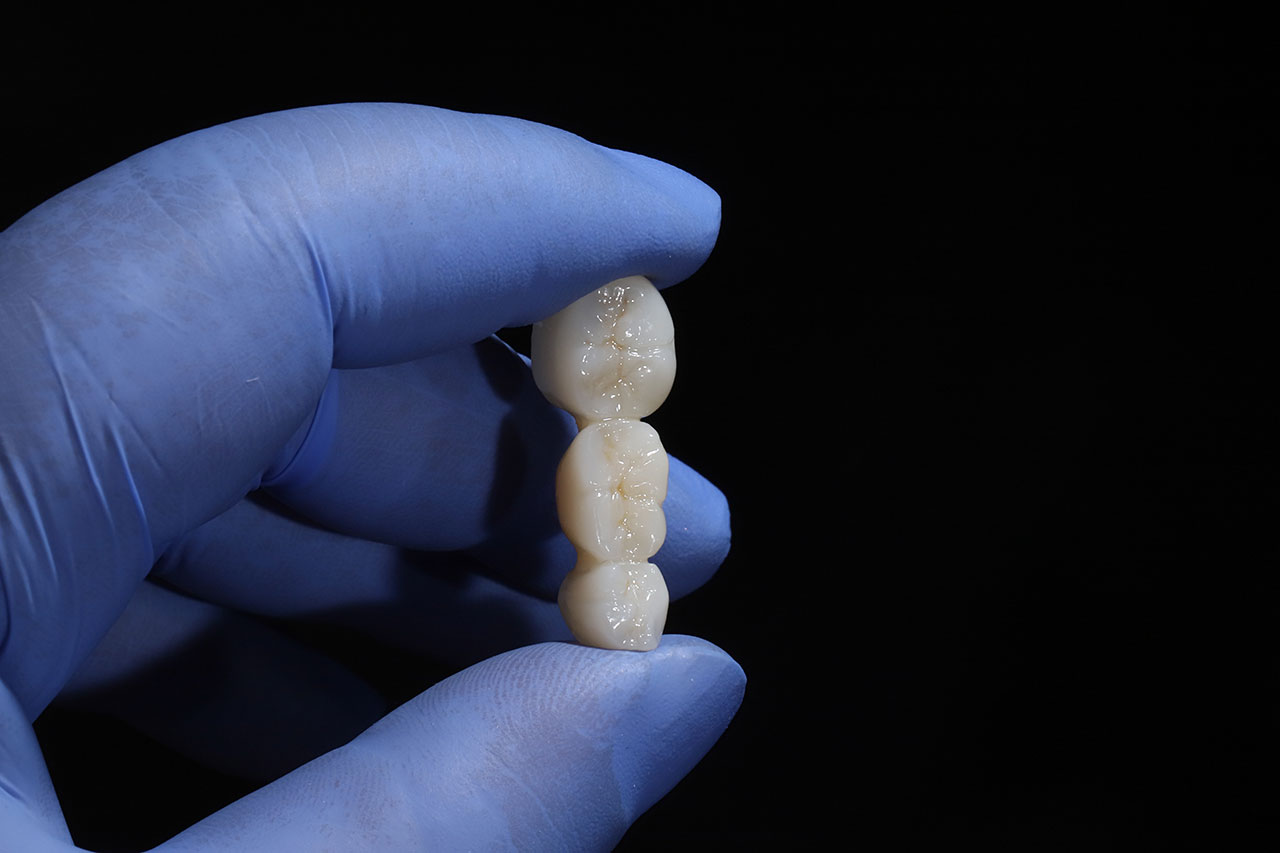
- Creates restorative options: After healing, the space may be restored with an implant, bridge, or another suitable replacement.
- Addresses severe fractures: Removal may be necessary when damage extends deeply into the root.
- Supports a comprehensive plan: Extraction can sometimes be an appropriate part of rebuilding a healthier and more functional bite.
Is Root Canal Therapy Painful?
Many patients associate root canals with significant pain. However, modern local anesthesia is designed to make the procedure comfortable. In fact, much of the discomfort patients experience comes from the infection or inflammation that makes treatment necessary.
After the procedure, the tooth and surrounding tissues may feel tender for a few days. This is especially possible if there was significant inflammation before treatment.
Following your dentist’s instructions and avoiding excessive chewing pressure on the treated tooth can help during recovery.
Severe pain, increasing swelling, fever, or symptoms that worsen instead of improving should be reported promptly.
What Happens After a Root Canal?
After root canal therapy, the tooth usually needs a permanent restoration. Back teeth frequently require crowns because they absorb substantial pressure during chewing.
The dentist evaluates how much natural tooth remains and recommends the restoration most likely to protect it.
Until the tooth is fully restored, patients may be advised to avoid chewing hard foods on that side. This helps reduce the risk of fracturing weakened tooth structure.
Once restored, the tooth still needs normal brushing, flossing, and professional examinations. Root canal treatment removes the pulp, but it does not make the tooth immune to decay or gum disease.
What Happens After a Tooth Extraction?
After an extraction, the body forms a blood clot in the socket. This clot protects the area and supports the early stages of healing.
Patients are generally instructed to avoid disturbing the site. Depending on the procedure, instructions may include avoiding smoking, using straws, vigorous rinsing, and strenuous activity for a specified period.
Soft foods and careful oral hygiene can make the first few days more comfortable. Swelling and tenderness may occur, especially after more involved extractions.
However, persistent heavy bleeding, fever, worsening swelling, or severe pain requires professional evaluation.
What Happens If You Do Not Replace an Extracted Tooth?
When a tooth is removed, the surrounding teeth may gradually shift toward the open space. The opposing tooth may also move because it no longer contacts its original chewing partner.
Additionally, the jawbone in the area can change over time because the natural tooth root is no longer present.
These changes vary by patient and tooth location. Nevertheless, discussing replacement options before or shortly after extraction can help you understand the potential long-term effects.
Dental implants, bridges, and removable restorations may all be considered depending on your oral health and preferences.
How Does the Cost of Treatment Compare?
It can be tempting to compare only the initial cost of root canal therapy with the cost of extraction. However, the total financial picture may be different when future treatment is considered.
A root canal-treated tooth may require a crown or another restoration. Meanwhile, an extracted tooth may need replacement with an implant, bridge, or denture.
Therefore, comparing the complete treatment plans provides a more useful picture than considering only the first procedure.
Insurance coverage, payment options, restoration choices, and the complexity of treatment may all influence out-of-pocket costs.
Frequently Asked Questions About Root Canals and Extractions
Is it better to save a tooth or have it pulled?
Preserving a natural tooth is often preferred when the tooth can be predictably restored. However, extraction may be appropriate when damage, infection, or bone loss makes preservation unlikely to succeed.
Can a root canal fail?
Yes. Although many root canal-treated teeth remain functional for years, infection or other problems can sometimes develop. Additional treatment or extraction may become necessary.
Will I need a crown after a root canal?
Many back teeth need crowns after root canal therapy because they experience substantial chewing pressure. The recommendation depends on tooth location and remaining structure.
Can I get a dental implant after an extraction?
Many patients can be evaluated for dental implants after extraction. Timing depends on bone support, infection, healing, medical history, and the treatment plan.
How quickly should an infected tooth be treated?
A suspected dental infection should be evaluated promptly. Increasing swelling, fever, or difficulty swallowing or breathing requires urgent medical attention.
Choose the Treatment That Protects Your Long-Term Oral Health
Root canal therapy and tooth extraction are not competing treatments with one universally better answer. Each serves an important purpose, and the right choice depends on whether the affected tooth can be safely and predictably preserved.
Contact Kulick Dental in Seven Hills, OH, at (216) 236-6300 to schedule a consultation. Our team can evaluate your tooth, explain your options, and help you make an informed decision about protecting your smile.