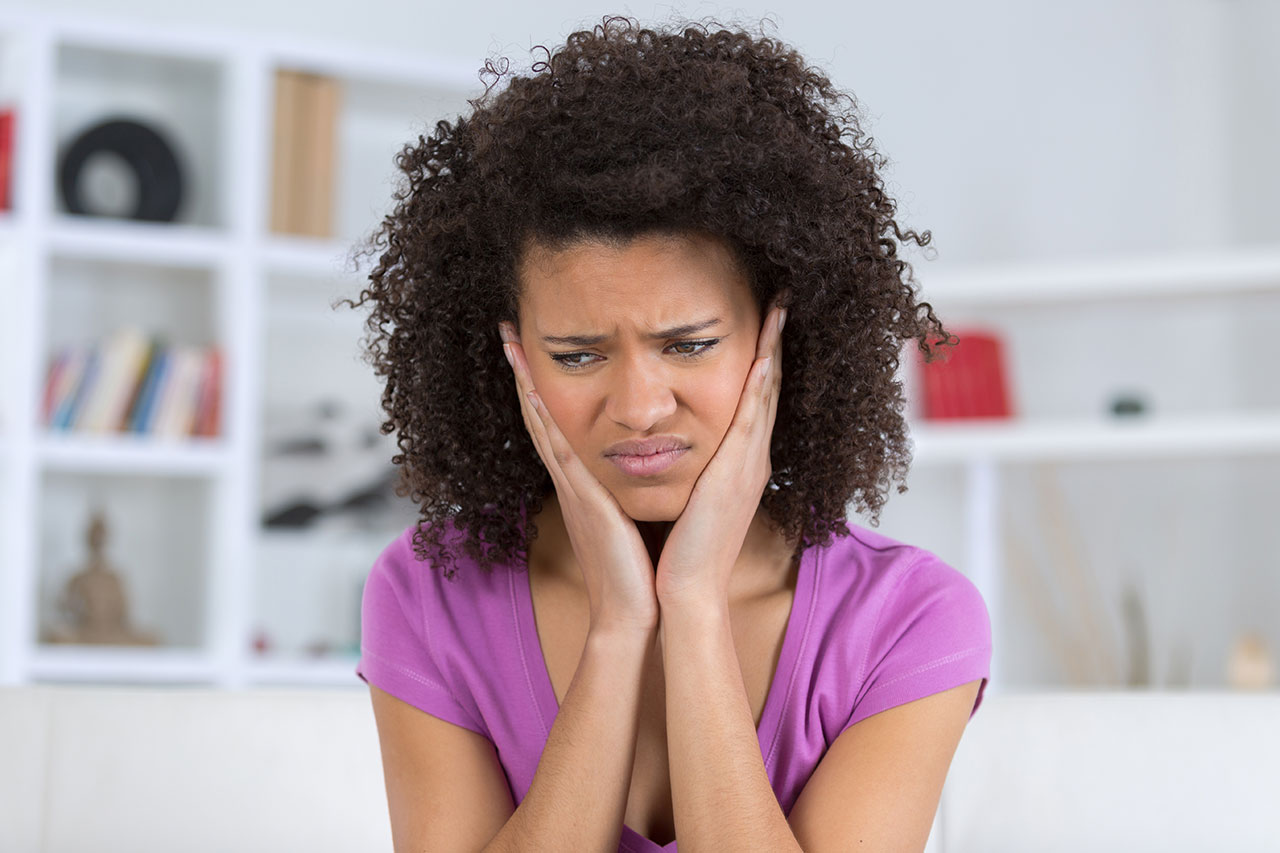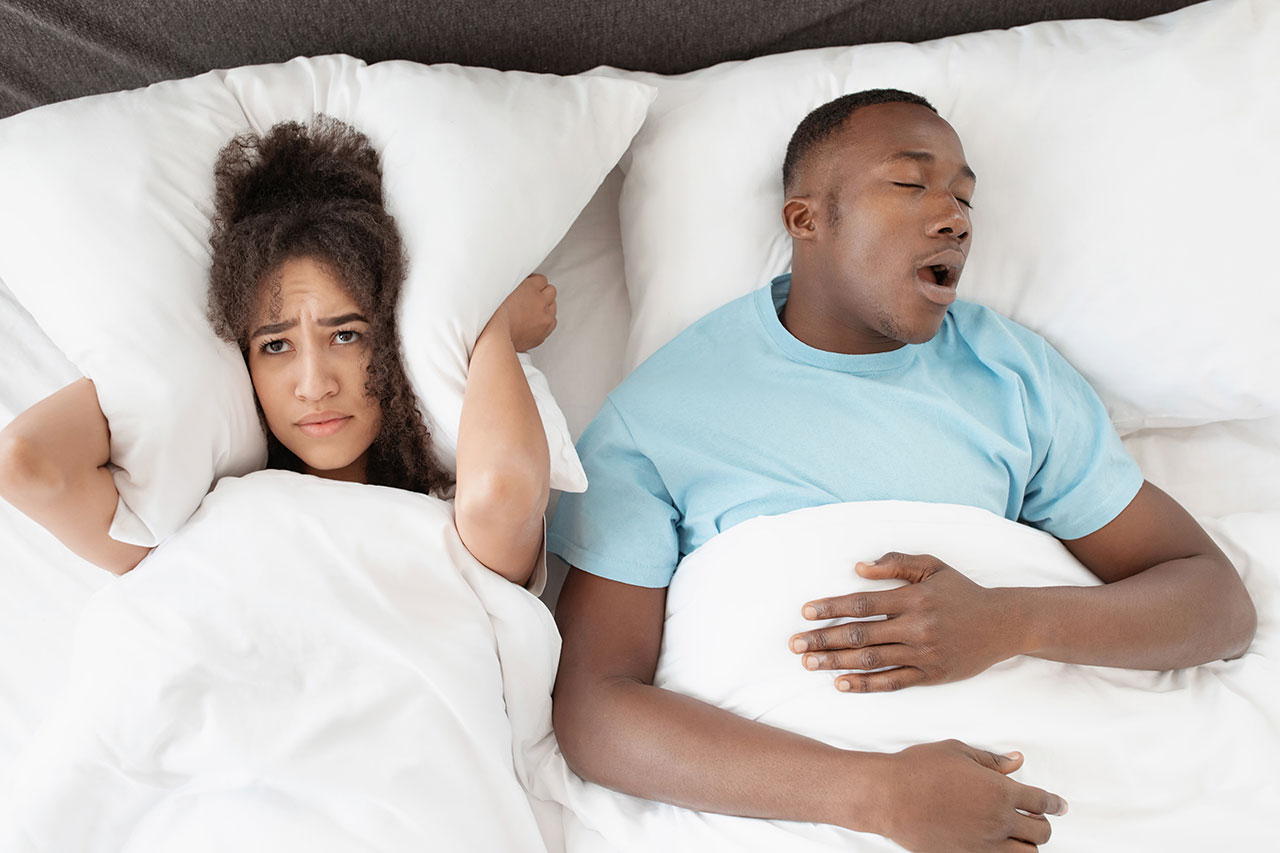
Snoring can be easy to joke about until it starts interrupting sleep night after night. Perhaps your partner regularly wakes you to change positions, or maybe you have been told that your snoring can be heard from another room. Persistent snoring deserves attention because understanding why it happens is the first step toward finding an appropriate snoring treatment.
At Kulick Dental in Seven Hills, OH, patients can explore treatment options designed around the structures involved in nighttime breathing. One option available for appropriate patients is Quiet Night Therapy, a non-surgical approach that uses laser technology to address soft palate tissue associated with snoring. However, chronic snoring can sometimes be related to obstructive sleep apnea, so evaluation should focus on more than simply making nighttime breathing quieter.
What Actually Causes the Sound of Snoring?
Snoring occurs when airflow causes relaxed tissues in the upper airway to vibrate during sleep. As you fall asleep, muscles in the mouth and throat relax. If the space available for airflow becomes narrower, air may move through with greater turbulence.
The resulting vibration can involve the soft palate and nearby tissues. The amount of sound can vary considerably from one person to another and even from one night to the next.
That is why someone may snore loudly after an unusually tiring day but less on another night. Body position, congestion, alcohol use, sleep stage, airway anatomy, and other factors may all influence snoring.
Why Has My Snoring Become Louder?
Snoring can change over time. Changes in body weight, muscle tone, nasal breathing, sleep habits, medications, or airway tissues can affect nighttime airflow.
Age may also contribute because soft tissues and muscles can change over the years. In addition, sleeping on the back may allow the tongue and surrounding tissues to move into positions that narrow the airway more than side sleeping.
Persistent nasal congestion can contribute as well. When nasal breathing becomes difficult, airflow patterns change and mouth breathing may increase.
If snoring suddenly becomes much worse, is accompanied by breathing pauses, or occurs with significant daytime sleepiness, discussing the change with an appropriate healthcare provider is especially important.
Is Snoring Always a Sign of Sleep Apnea?
No. A person can snore without having obstructive sleep apnea. However, snoring is also a common symptom among people who do have sleep apnea.
Obstructive sleep apnea involves repeated episodes in which airflow is significantly reduced or interrupted during sleep. Therefore, the important question is not simply whether someone snores, but whether breathing is repeatedly compromised.
Warning signs may include witnessed breathing pauses, choking or gasping during sleep, morning headaches, waking with a dry mouth, or feeling unusually sleepy during the day.
If sleep apnea is suspected, a sleep study may be recommended. Proper diagnosis is important because a treatment intended primarily for snoring should not replace appropriate management of a medical sleep disorder.
What Is Quiet Night Therapy?
Quiet Night Therapy is a non-surgical treatment intended to reduce snoring associated with vibration of soft palate tissue. It uses controlled laser energy to stimulate changes in the treated tissue.
The treatment focuses on areas at the back of the mouth that can contribute to vibration during sleep. By supporting tissue firmness, the goal is to reduce vibration and improve nighttime airflow for suitable patients.
There are no surgical incisions involved. Treatment is performed in the office, and patients can generally return to their normal daily routine afterward.
Because snoring can have several causes, an evaluation is needed before determining whether this type of treatment matches the patient’s specific concern.
What Happens During a Snoring Evaluation?
The first step is discussing what you or your sleep partner have noticed. The dental team may ask how often you snore, whether it happens in every sleeping position, and whether anyone has witnessed pauses in your breathing.
Other questions may address morning headaches, dry mouth, daytime fatigue, previous sleep testing, CPAP use, oral appliances, and relevant medical conditions.
The oral structures can then be evaluated. If the pattern raises concern for obstructive sleep apnea, sleep testing or additional medical evaluation may be recommended before proceeding with treatment.
This distinction is important. Reducing snoring sound can improve the sleep environment, but the priority is making sure a more significant airway condition is not being overlooked.
What Does Laser Snoring Treatment Feel Like?
Quiet Night Therapy is designed as a non-surgical treatment. Controlled laser energy is applied to targeted soft tissue areas in the mouth.
Patients may notice warmth during treatment. There are no incisions or sutures involved, and treatment does not require the recovery associated with traditional surgery.
The appointment itself can be relatively brief, although consultation and treatment time vary according to individual needs.
Because tissue changes develop over time, results may not be identical immediately after the appointment. A series of treatments or periodic maintenance may be recommended according to the patient’s response and treatment plan.
Benefits of Snoring Treatment
- Quieter sleep: Reducing vibration in contributing soft tissues may decrease disruptive snoring sounds.
- Non-surgical care: Laser snoring treatment does not involve surgical incisions or sutures.
- No nightly mask: The laser treatment itself does not require sleeping in a facial mask.
- No nightly device for the laser treatment: Patients receiving this specific therapy do not need to insert a laser-related device before bed.
- Minimal interruption to routine: Treatment is designed to allow patients to return to normal daily activities without an extended surgical recovery.
- Personalized evaluation: Screening helps determine whether snoring may require additional sleep apnea assessment.
- Potential sleep improvement for the household: Quieter nights may benefit both the patient and a sleep partner.
- Combination possibilities: Depending on diagnosis, snoring care may be coordinated with oral appliance therapy or other appropriate approaches.
Can Snoring Treatment Replace a Sleep Apnea Appliance?
Not necessarily. Snoring and obstructive sleep apnea are related but different concerns.
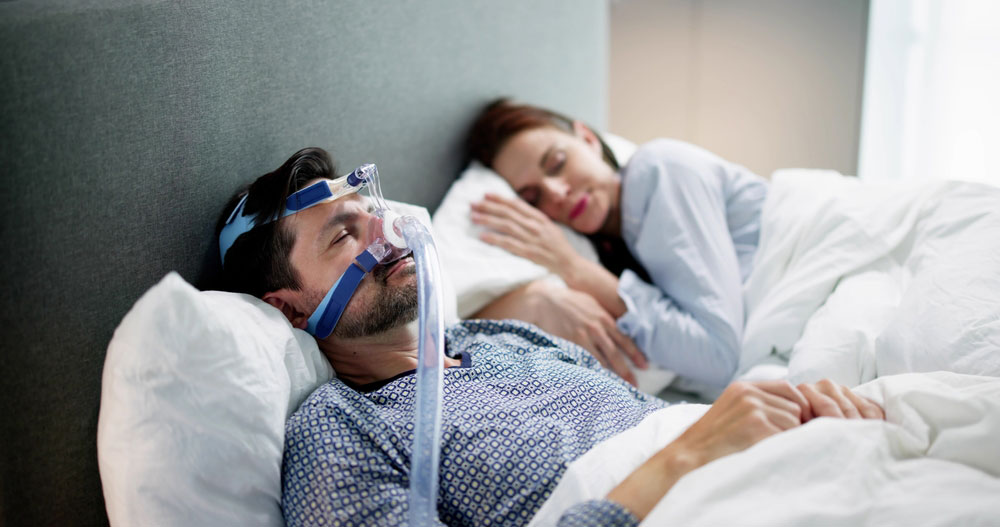
A treatment intended to reduce soft palate vibration does not automatically address every cause or severity of sleep apnea. Patients with diagnosed obstructive sleep apnea may need oral appliance therapy, CPAP, another medical treatment, or a coordinated plan based on their diagnosis.
For some patients, different therapies may address different aspects of nighttime breathing. The appropriate plan should be based on clinical evaluation rather than selecting treatment solely because it seems convenient.
Does Sleeping Position Affect Snoring?
Yes, sleeping position can influence snoring for some people. Snoring may become more noticeable while sleeping on the back because gravity can influence the position of the tongue and soft tissues.
Side sleeping may reduce snoring for certain patients. However, positional changes are not a substitute for evaluation when signs of sleep apnea are present.
If your partner notices that you only snore in certain positions, mention that during your consultation. Details about when and how snoring occurs can help build a clearer picture of the problem.
Can Alcohol Make Snoring Worse?
Alcohol can relax muscles in the throat, which may increase airway narrowing and tissue vibration during sleep. Therefore, some people notice louder or more frequent snoring after drinking alcohol, particularly close to bedtime.
Sedating medications can also affect muscle tone and sleep patterns. Patients should never change a prescribed medication solely because of snoring without speaking with the prescribing healthcare provider.
Instead, share your medications and relevant lifestyle information during your evaluation so they can be considered as part of the broader picture.
Can Weight Affect Snoring?
Body weight can influence airway anatomy in some patients, but snoring occurs in people of many body types. It should not be treated as an appearance issue or assumed to have a single cause.
Changes in tissues surrounding the airway can influence the amount of space available for breathing. However, jaw position, nasal airflow, soft palate anatomy, tongue position, and other factors may also contribute.
A personalized evaluation is more useful than making assumptions about why a particular person snores.
When Should Snoring Be Evaluated?
Consider seeking an evaluation when snoring occurs frequently, disrupts another person’s sleep, has become noticeably louder, or is associated with other symptoms.
Breathing pauses, gasping, choking during sleep, severe daytime sleepiness, and morning headaches deserve particular attention because they may be associated with sleep apnea.
Likewise, if you have already been diagnosed with sleep apnea but are not consistently using your prescribed treatment, discuss the problem with your healthcare providers. Alternative or modified approaches may be available depending on your condition.
How Can You Prepare for a Snoring Consultation?
Before your appointment, consider asking your sleep partner what they have observed. Helpful information can include how often you snore, whether the sound changes with sleeping position, and whether breathing pauses or gasping have occurred.
Bring information about any previous sleep studies and sleep apnea treatments. Also provide an updated list of medications and relevant medical conditions.
You may want to write down questions about treatment frequency, comfort, expected changes, maintenance, and whether a sleep study should be completed before treatment.
The goal is to understand the cause of the problem before deciding how to address it.
Frequently Asked Questions About Snoring Treatment
Does everyone who snores have sleep apnea?
No. Snoring can occur without obstructive sleep apnea. However, persistent loud snoring can be associated with sleep apnea, particularly when breathing pauses, gasping, or significant daytime fatigue are also present.
Is laser snoring treatment surgery?
Quiet Night Therapy is a non-surgical treatment. It uses controlled laser energy on selected soft tissues without surgical incisions or sutures.
How quickly will snoring improve?
Response varies between patients. Tissue changes can develop gradually, and more than one treatment may be recommended depending on the individual treatment plan.
Can snoring treatment help my partner sleep better?
Reducing disruptive snoring may improve the sleep environment for a partner, although individual results vary and other sleep disturbances may still be present.
Should I get tested for sleep apnea first?
If symptoms suggest possible obstructive sleep apnea, appropriate sleep evaluation may be recommended. Identifying a medical sleep disorder is more important than simply reducing the sound of snoring.
Make Quieter Sleep Part of a Healthier Night
Persistent snoring does not have to be dismissed as something you or your household simply have to tolerate. An evaluation can help identify whether soft tissue vibration appears to be contributing, whether a sleep study is appropriate, and which treatment options deserve consideration.
Contact Kulick Dental in Seven Hills, OH, at (216) 236-6300 to schedule a consultation for snoring treatment. Our team can discuss your symptoms and help determine whether Quiet Night Therapy, oral appliance therapy, or additional sleep evaluation may be appropriate.