
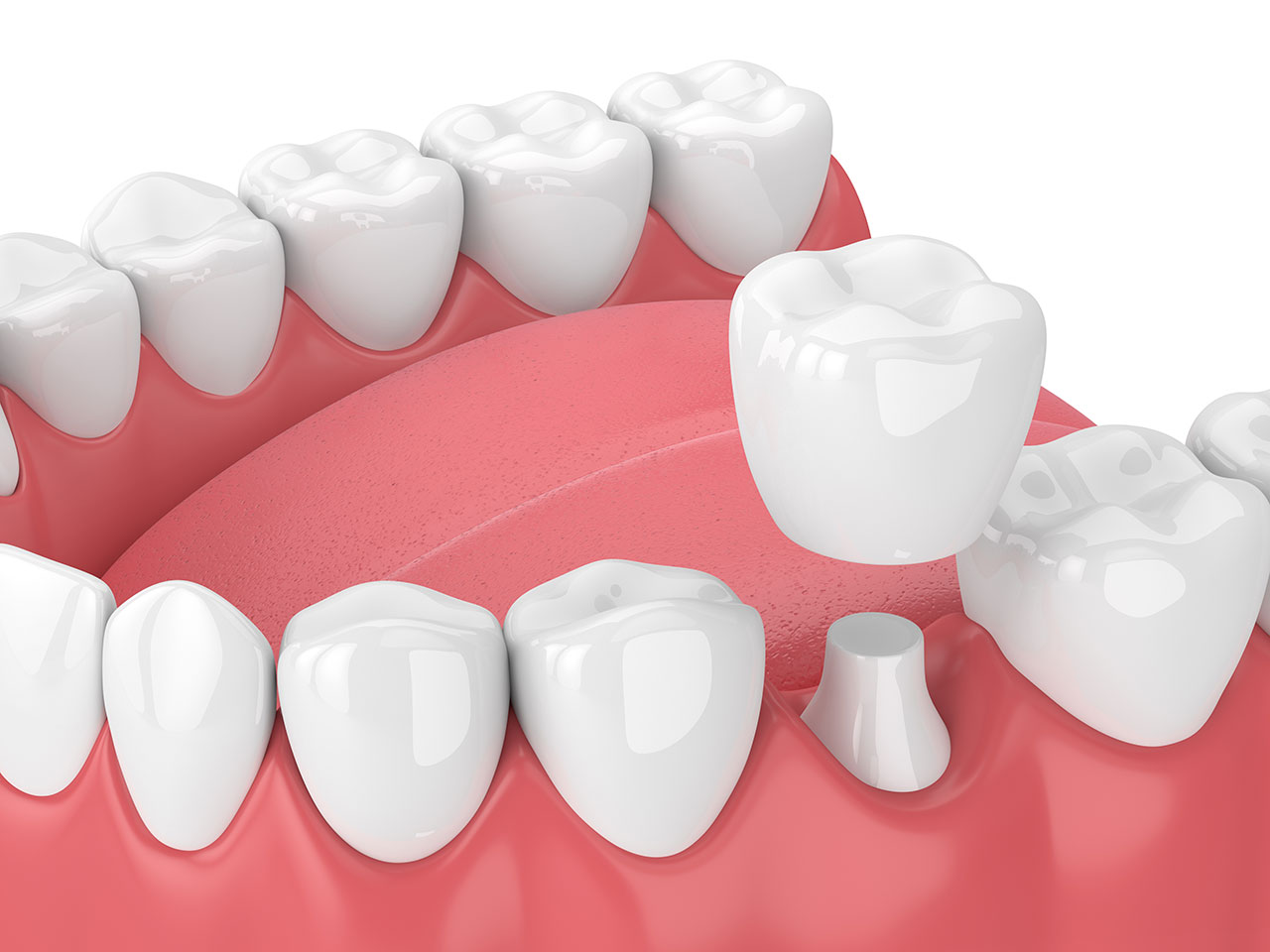
A tooth does not have to hurt to be weakened. In fact, cracks, large fillings, decay, and years of normal wear can gradually reduce the strength of a tooth long before discomfort becomes obvious. When enough natural tooth structure has been lost, a dental crown may help restore strength, shape, appearance, and everyday function.
Dental crowns are among the most versatile treatments in restorative dentistry. They can protect damaged teeth, rebuild worn teeth, cover certain cosmetic concerns, and restore teeth after root canal therapy. However, not every damaged tooth needs a crown. Some problems can be repaired with a filling, bonding, or another conservative treatment. At Kulick Dental in Seven Hills, OH, the right recommendation begins with examining how much healthy tooth structure remains and what the tooth needs to function predictably.
What Is a Dental Crown?
A dental crown is a custom restoration that covers the visible portion of a tooth above the gumline. You can think of it as a protective outer layer designed to recreate the shape and strength of a damaged tooth. Crowns are made to fit your bite and blend naturally with nearby teeth.
Unlike a filling, which repairs a specific area within a tooth, a dental crown surrounds much more of the remaining structure. Therefore, it can be useful when a tooth has lost enough strength that a smaller restoration may not provide adequate support.
Dental crowns may be made from ceramic, porcelain, or other durable dental materials. The appropriate material depends on the location of the tooth, the amount of chewing pressure it receives, appearance goals, and the condition of the surrounding teeth.
1. You Have a Large Filling
Fillings are excellent for repairing cavities and preserving natural tooth structure. However, the larger a filling becomes, the less original tooth remains around it. Eventually, the walls surrounding a large filling may become thin or vulnerable to fracture.
If much of a tooth is filling material, a dental crown may provide more complete protection. Instead of simply replacing the old filling, the crown can cover the weakened portions and distribute biting pressure over a broader surface.
This does not mean that every large filling automatically needs a crown. Your dentist will consider the thickness of the remaining tooth, the condition of the filling, your bite, and whether cracks are present before making a recommendation.
2. Your Tooth Is Cracked
A cracked tooth can produce several different symptoms. You might notice a sharp sensation when chewing, sensitivity to cold, discomfort when releasing your bite, or no symptoms at all. Cracks can also be difficult to see without a dental examination.
When a crack affects the chewing portion of a tooth but the tooth can still be preserved, a dental crown may help hold the remaining structure together and reduce flexing during use. Treating a crack before it progresses may improve the opportunity to preserve the tooth.
However, the location and depth of the crack matter. A superficial enamel line is very different from a fracture that extends deeply into the root. Therefore, dental imaging, magnification, bite testing, and other diagnostic methods may be used to determine the appropriate treatment.
3. A Piece of Your Tooth Has Broken Off
Teeth can break after biting hard food, experiencing an accident, or simply because the structure has weakened over time. A small chip may only require smoothing or bonding. Meanwhile, a larger fracture may leave too little tooth structure for a filling alone.
A dental crown can restore the original height and contour of a significantly damaged tooth. It can also help protect sensitive inner layers that become exposed when enamel or dentin breaks away.
If a tooth breaks suddenly, contact the dental office even if you are not experiencing pain. A fracture can worsen with continued chewing, particularly if a crack extends beyond what is immediately visible.
4. You Have Had Root Canal Treatment
Root canal therapy can save a tooth when the tissue inside becomes inflamed or infected. However, a tooth that needs a root canal is often already weakened by decay, a large restoration, or fracture.
Back teeth in particular absorb significant pressure during chewing. Consequently, a dental crown is often considered after root canal treatment to help protect the remaining structure. The crown restores the outside of the tooth while the root canal treatment addresses the inside.
Whether a crown is needed depends on the tooth and its condition. Front teeth experience different forces than molars, so treatment recommendations can vary. Your dentist will explain what is needed to protect the tooth after the root canal is complete.
5. Your Tooth Is Severely Worn
Teeth naturally experience some wear over a lifetime. However, excessive grinding, clenching, an uneven bite, acid exposure, or certain habits can cause teeth to become significantly shorter or flatter.
When enough structure has been lost, worn teeth can affect appearance, chewing, sensitivity, and bite relationships. Dental crowns may be used to rebuild selected teeth to a healthier size and shape.
It is also important to identify why the wear occurred. If nighttime grinding contributed to the damage, for example, your dentist may recommend a protective night guard after treatment. Rebuilding the teeth without addressing ongoing pressure could place the new restorations at risk.
6. Your Tooth Has Extensive Decay
Small and moderate cavities can often be repaired with tooth-colored fillings. However, extensive decay may remove so much healthy enamel and dentin that the tooth cannot reliably hold a standard filling.
In these cases, the damaged areas are removed and the remaining tooth is evaluated. A dental crown may then be recommended to rebuild the structure and protect it from further breakdown.
Prompt treatment matters because decay can continue spreading deeper into the tooth. If bacteria reach the pulp, root canal therapy may become necessary. Regular examinations help detect cavities before they reach this stage.
7. Your Existing Crown Is Damaged or No Longer Fits Properly
Dental crowns are durable, but they are not permanent in the sense that they will never need attention. Over many years, a crown can chip, loosen, wear, or develop problems around its edges.
Changes in the surrounding tooth can also affect the restoration. For instance, decay may develop where the crown meets natural tooth structure. Gum recession may expose part of the tooth root, and bite changes may create new pressure on the crown.
If your crown feels loose, catches floss repeatedly, causes discomfort, or suddenly feels different when you bite, schedule an examination. Replacing a compromised crown before additional damage develops may help preserve the underlying tooth.
8. You Want to Restore the Shape or Appearance of a Damaged Tooth
Dental crowns are primarily restorative, but they can also improve appearance. A crown may help when a tooth is significantly discolored, misshapen, worn, or damaged in a way that cannot be predictably corrected with a more conservative cosmetic treatment.
Modern ceramic materials can be selected to complement the shade, translucency, and proportions of surrounding teeth. As a result, the restored tooth can look natural rather than standing out from the rest of your smile.
However, preserving healthy tooth structure remains important. If your concern is entirely cosmetic, the dentist may discuss alternatives such as whitening, bonding, or veneers before recommending a full crown.
Benefits of Dental Crowns
- Protection for weakened teeth: A crown surrounds damaged tooth structure and helps distribute chewing pressure.
- Restored chewing function: Rebuilding the shape of a damaged tooth can make biting and chewing more comfortable.
- Support after root canal therapy: A crown can protect a tooth that has been weakened by previous decay, fracture, or treatment.
- Natural-looking appearance: Modern materials can be selected to blend with nearby teeth.
- Repair for larger fractures: Crowns can restore teeth that have lost too much structure for a conventional filling.
- Improved tooth shape: A crown can recreate appropriate height, contour, and contact with neighboring teeth.
- Versatile restorative treatment: Crowns can be incorporated into treatment plans involving bridges, implants, worn teeth, and other restorative concerns.
- Long-term protection: With good oral hygiene and regular dental care, a well-maintained crown can provide years of useful service.
What Happens When You Get a Dental Crown?
The process begins with an examination. Your dentist evaluates the tooth, surrounding gums, bite, and existing restorations. Dental images may also be taken to look for decay, infection, or changes near the root.
If a crown is appropriate, damaged or decayed material is removed and the tooth is shaped to create room for the restoration. The goal is to preserve healthy structure while creating a stable foundation.
A digital scan or impression records the shape of the prepared tooth and surrounding bite. This information is used to design a custom crown. Depending on the technology and treatment plan, some restorations may be completed efficiently with modern digital workflows.
Once the crown is ready, the dentist checks how it fits against neighboring teeth and how it contacts the opposing arch. The shape, shade, and bite are evaluated before the restoration is securely attached.
How Long Does a Dental Crown Last?
There is no exact lifespan that applies to every dental crown. Longevity depends on the material, the condition of the underlying tooth, oral hygiene, chewing habits, bite pressure, and whether the patient grinds or clenches.
Good daily care can support both the crown and the tooth beneath it. Brush twice daily and clean between the teeth every day. Although a crown itself cannot develop a cavity, the natural tooth at its edges still can.
Patients should also avoid using crowned teeth to open packages, chew ice, bite pens, or perform other tasks teeth were not designed to handle. If you grind at night, wearing a recommended night guard can reduce repeated stress on the restoration.
Can a Tooth Hurt Under a Crown?
Yes, discomfort can occasionally develop beneath or around a dental crown. The cause may be temporary sensitivity after treatment, irritation in the tooth, an uneven bite, decay near the crown edge, gum inflammation, or another dental concern.
New sensitivity often improves as the tooth settles. However, persistent pain, swelling, pain when biting, or sensitivity that becomes stronger deserves evaluation. Likewise, a crown that feels unusually high should be checked rather than waiting for the bite to adjust on its own.
Prompt examination can determine whether a simple adjustment is needed or whether the underlying tooth requires additional treatment.
Dental Crown or Filling: How Does the Dentist Decide?
The decision usually comes down to how much healthy tooth remains and how much support the tooth needs. A filling repairs a specific area while preserving as much untouched tooth as possible. Therefore, fillings are often preferred when they can predictably restore the damage.
A dental crown becomes more appropriate when the tooth has lost substantial structure or needs reinforcement around several surfaces. Large cracks, extensive decay, repeated filling replacement, or major fractures can shift the balance toward a crown.
The goal should not be to use the largest restoration possible. Instead, restorative dentistry focuses on selecting a treatment strong enough for the problem while preserving healthy structure whenever practical.
Frequently Asked Questions About Dental Crowns
Does getting a dental crown hurt?
The tooth is typically numbed while it is being prepared. Patients may notice temporary sensitivity afterward, but significant or persistent discomfort should be reported to the dental office.
Can a crowned tooth still get a cavity?
Yes. The crown material cannot decay, but the natural tooth underneath and around the edges remains vulnerable to cavities. Daily brushing, flossing, and preventive dental visits are important.
Can a cracked tooth always be saved with a crown?
No. A crown can protect many cracked teeth, but fractures that extend deeply into the root or separate the tooth into unstable sections may not be repairable. An examination is needed to determine the prognosis.
Should I replace a crown that feels loose?
A loose crown should be evaluated promptly. It may need to be recemented, repaired, or replaced depending on the condition of the crown and the tooth beneath it.
Protect a Damaged Tooth Before the Problem Grows
A weakened tooth may continue functioning for some time without obvious symptoms, but that does not mean the damage will remain stable. Evaluating cracks, large fillings, worn teeth, and fractures early can provide more options for preserving natural tooth structure.
If you are wondering whether a dental crown is right for you, contact Kulick Dental in Seven Hills, OH, at (216) 236-6300 to book an appointment. Our team can examine the tooth, explain your restorative options, and help you choose care that supports comfortable, lasting function.